

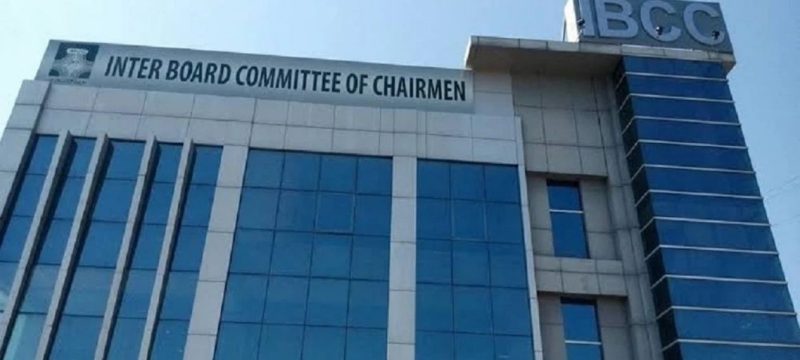
ISLAMABAD: The Inter Boards Coordination Commission has introduced a major education reform under the new IBCC Rule, expanding academic pathways for matric students across Pakistan.
Under the IBCC Rule, students who pass the Secondary School Certificate (SSC) in the Arts group will now be eligible to seek admission in F.Sc Pre-Medical and Pre-Engineering programs. This change will take effect from the SSC 1st Annual Examination 2026.
The decision was approved during the IBCC Forum’s 183rd meeting. The meeting was held on December 4 and 5, 2025. An official notification confirming the change was issued on December 12.
According to IBCC officials, the IBCC Rule aims to support Arts group students who previously had limited options. Many of these students wished to shift to science-based streams at the Higher Secondary School Certificate (HSSC) level. Until now, such transitions were generally restricted.
The forum said the decision followed detailed discussions and expert input. Recommendations were received from a sub-committee formed to review admission policies. Feedback was also gathered from key regulatory bodies.
These included the Pakistan Engineering Council, Pakistan Medical and Dental Council, and the Higher Education Commission. Input was also taken from the National Curriculum Council and provincial curriculum authorities. All stakeholders supported the move to increase flexibility while maintaining academic standards.
The official notification stated that Arts group students may register for HSSC Pre-Medical or Pre-Engineering from 2026 onwards. The resolution was approved unanimously by forum members.
However, the IBCC Rule also includes safeguards. Educational institutions have been advised to set clear eligibility criteria. These may include minimum marks, merit thresholds, or placement tests. Aptitude exams may also be used to assess readiness for science subjects.
IBCC clarified that final implementation will depend on individual boards. Each Board of Intermediate and Secondary Education must seek approval from its Board of Governors. Other competent authorities may also be involved where required.
The resolution has been shared with all BISEs and Boards of Technical Education nationwide. These boards have been directed to review the policy and take steps for compliance.
Education experts say the IBCC Rule could open new opportunities for students. It may help talented Arts students pursue careers in medicine or engineering. At the same time, officials stress that quality and uniform standards must be preserved.
In other news read more about: Punjab to Use CCTV Cameras to Monitor Exam Halls to Improve Exam Integrity
The reform marks a significant shift in Pakistan’s education framework. Authorities believe it will promote inclusion, flexibility, and better career choices for students across the country.