

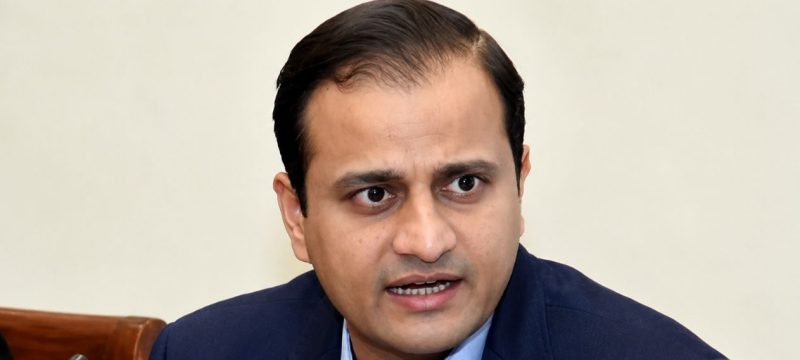
Karachi has started a major infrastructure upgrade for the Sindh Industrial Trading Estate (SITE), with Mayor Barrister Murtaza Wahab laying the foundation stone for a Rs2 billion development package aimed at improving one of the city’s largest industrial zones.
The project focuses on upgrading roads, drainage networks, sewerage systems, green belts and other municipal facilities. According to the city administration, the work is intended to improve business operations and strengthen Karachi’s position as Pakistan’s leading industrial and export hub.
Speaking at the ceremony, Mayor Murtaza Wahab said the rehabilitation of industrial areas remains a priority for the Sindh government because a modern industrial sector is essential for economic growth and investment.
He also announced that nearly Rs9.5 billion has been approved for the rehabilitation of industrial areas across Karachi. Unlike previous development models, the funds will be channelled through trade and industrial associations, allowing them to identify priority projects and oversee implementation based on local requirements.
The mayor said this approach is designed to reduce administrative delays and ensure development projects address the actual needs of each industrial estate.
Alongside road and infrastructure improvements, the city administration shared updates on Karachi’s water and wastewater projects. The TP-1 Sewage Treatment Plant is expected to begin operations with an initial treatment capacity of 35 million gallons per day (MGD). An additional 65 MGD capacity is planned by December, increasing the total new treatment capacity to 100 MGD.
The additional treatment capacity is expected to improve wastewater management for industrial zones and support long-term environmental sustainability.
In other news read more about: Viral Senior Police Officer Ahmed Mohiuddin Takes Premature Retirement
Mayor Wahab urged representatives of the business community to remain actively involved through regular monthly review meetings to help monitor progress and resolve issues during project implementation.