


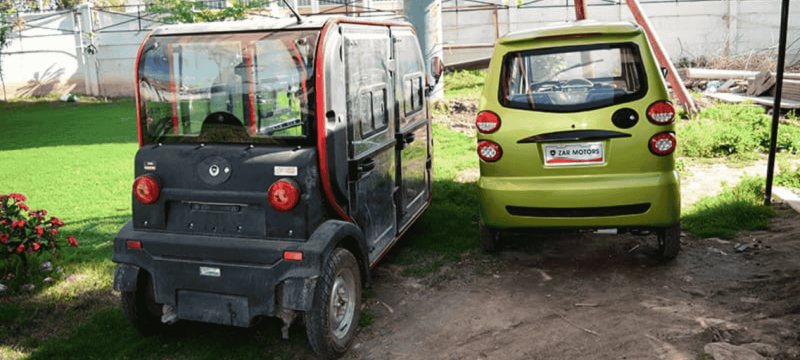
The Khyber Pakhtunkhwa (KP) government has unveiled a new electric rickshaw developed under its ‘KP Science Agenda.’ The announcement was made during a High-Technology and Product Development Exhibition at the Chief Minister’s House.
Officials said the electric rickshaw aims to promote green transportation, as it produces no pollution. The vehicles are expected to lower fuel costs and maintenance expenses. Authorities noted that drivers could potentially earn twice the income compared to conventional rickshaw operators.
The exhibition highlighted multiple high-tech projects initiated by the KP government. Attendees were briefed on the manufacturing processes and key features of the displayed products.
Other notable innovations included:
- Artificial skin for burn treatment.
- PCR diagnostic kits for Hepatitis B, Hepatitis C, HIV, and other diseases.
- Liquid oxygen technology for mining.
- Electronic surgical instruments.
- An electronic study card system for students.
Chief Minister Khyber Pakhtunkhwa, Muhammad Sohail Afridi, attended the exhibition as the chief guest. He stated that the provincial government is actively pursuing advanced technologies in fields like biomedicine and materials science.
Afridi emphasized that projects such as the electric rickshaw are designed to accelerate economic growth. They also aim to encourage value-added use of local resources through technology. The Chief Minister highlighted that these innovations demonstrate KP’s commitment to self-reliance and innovation-driven development.
The launch of the electric rickshaw is part of a broader effort to make transportation in KP cleaner and more sustainable. Officials believe this initiative will inspire local entrepreneurs and promote the adoption of eco-friendly vehicles across the province.
KP’s focus on technology and innovation, combined with environmentally friendly projects, positions the province as a growing hub for high-tech development in Pakistan.
In other news read more about: Pakistan Launches PM Electric Bike & Rickshaw Scheme 2025