


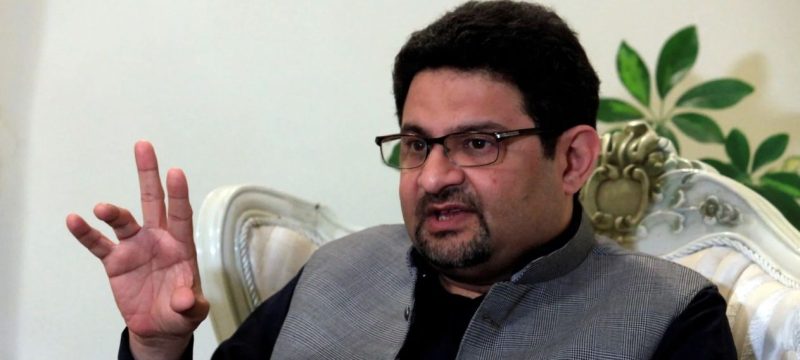
Former finance minister Miftah Ismail has warned that Pakistan remains stuck in a recurring economic cycle due to structural governance issues. He spoke during a session at the Karachi Literature Festival, emphasizing that eliminating terrorism is crucial for creating an environment conducive to growth.
The session, titled “Fixing the Fundamentals: Pakistan’s Economic Reform,” brought together policymakers, economists, and business leaders to discuss long-term strategies for stabilizing the economic system. Speakers stressed that short-term measures alone cannot resolve Pakistan’s structural challenges.
Adviser to the Prime Minister on Privatisation Ali highlighted the importance of documenting the economy and strengthening the taxation system. He argued that reducing government involvement in commercial activities, expanding exports, increasing women’s workforce participation, and empowering local governments are key to improving governance and promoting sustainable economic growth.
Former State Bank of Pakistan Governor Dr Ishrat Husain warned that Pakistan’s external debt of $25 billion and high annual food imports are major challenges. He recommended supporting agriculture, investing in industries like steel, petrochemicals, and pharmaceuticals, and focusing on innovation-driven sectors.
Business leaders and economists agreed that credibility, policy consistency, and transparent governance are essential to attract investment. They stressed that long-term industrial planning, population control, education reforms, and privatization of state-owned utilities are crucial for economic revival.
Miftah Ismail emphasized that structural reforms, strong institutions, and consistent policymaking are needed to break Pakistan’s ongoing economic cycle. All speakers highlighted that restoring public trust, promoting exports, and prioritizing human development are necessary to achieve sustainable growth and stability.
In other news read more about: Bad News for Solar Users! LESCO Slashes Net Metering Rates from Jan 2026 – Earnings Take a Hit!
The session concluded with a consensus that Pakistan’s economic revival depends on transparency, accountability, policy continuity, and long-term planning.