


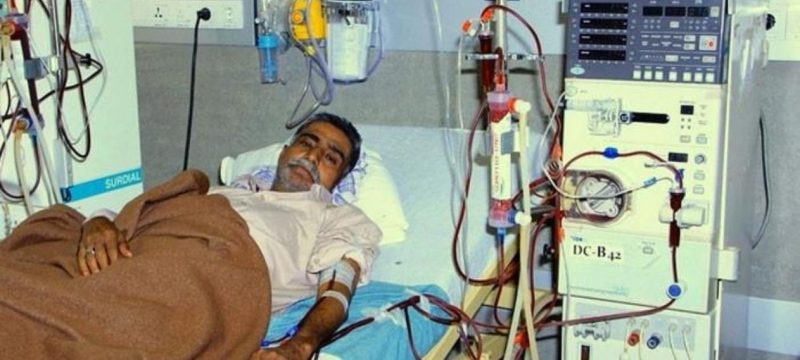
Nearly 30 million people in Pakistan are living with kidney disease, according to nephrologists. Experts have warned that the condition is becoming a major health concern.
Diabetes and high blood pressure are among the leading causes of kidney damage. Other factors include kidney stones, genetic disorders and certain kidney conditions.
Pakistan Society of Nephrology Vice President Prof. Dr. Ali Saqlain Haider shared the figures at a seminar. The event was held at a local hotel on Sunday.
He said kidney-related diseases cause more than 30,000 deaths annually in the country. He also highlighted the growing risks linked to preventable causes.
According to Prof. Haider, diabetes can gradually affect kidney function. High blood pressure can also damage the kidneys when it remains uncontrolled.
Kidney stones can cause further complications in some patients. Certain inherited disorders and internal kidney diseases may also lead to kidney failure.
The expert also raised concerns about self-medication. Many people take medicines for pain and common illnesses without medical advice.
He warned that unnecessary or prolonged use of some medicines can harm the kidneys. People should therefore consult healthcare professionals before using medicines for extended periods.
Experts stressed that early detection can help identify kidney problems sooner. Regular screening is especially important for people at higher risk.
People with diabetes or high blood pressure should receive regular kidney checks. Those with a family history of kidney disease should also remain cautious.
According to Prof. Haider, simple tests can help detect kidney problems. Urine testing can identify certain signs of kidney damage.
Blood tests measuring urea and creatinine can also provide important information. Doctors may recommend an ultrasound when further assessment is required.
Pakistan Society of Nephrology President Prof. Dr. Amir Azhar described kidney disease as a growing silent problem. He said many patients seek treatment only after significant damage occurs.
This delayed diagnosis can make treatment more difficult. Advanced kidney disease may eventually require regular dialysis.
Some patients may also need a kidney transplant. Both treatments can be expensive and difficult to access for many people in Pakistan.
The experts stressed the importance of prevention and timely medical care. Managing diabetes and blood pressure can help reduce the risk of kidney complications.
Avoiding unnecessary medicines is another important precaution. People experiencing persistent health problems should seek advice from qualified doctors.
The growing burden of Kidney Disease highlights the need for greater public awareness. Early screening could help identify problems before they become severe.
Health experts continue to encourage people to monitor important risk factors. Regular medical checks can support early diagnosis and appropriate treatment.
In other news read more about Pakistan Sees Decline in Male Smoking, Rises in Females: Survey
With nearly 30 million people reportedly affected, Kidney Disease remains a significant health challenge in Pakistan. Experts say timely action could help reduce serious complications and deaths.