


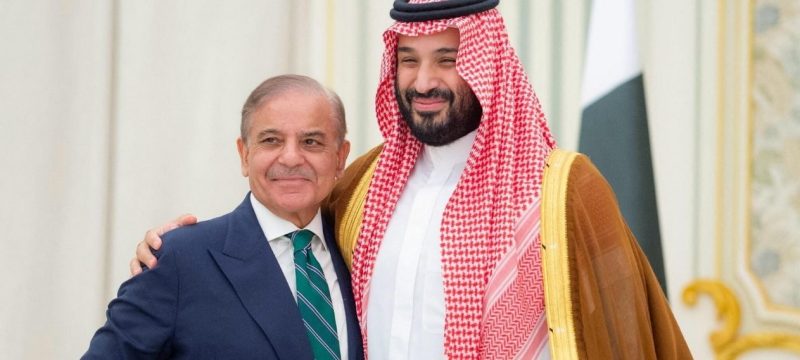
Pakistan has expressed readiness to support Saudi Arabia whenever necessary as Middle East Tensions continue to rise following the conflict involving the United States, Israel, and Iran. Officials say Islamabad remains committed to protecting regional stability and maintaining strong diplomatic ties with its allies.
Speaking to Bloomberg TV, Prime Minister’s spokesperson for foreign media, Mohsarraf Zaidi, said Pakistan’s support for Saudi Arabia is clear and unwavering. He stated that Islamabad would stand by Riyadh “no matter what and no matter when” if assistance becomes necessary.
The statement comes during a period of growing Middle East Tensions after the United States and Israel launched strikes against Iran on February 28. In response, Tehran reportedly targeted several US military bases across the Gulf region using missiles and drones. Some of the strikes also affected areas close to Saudi Arabia.
Iranian President Masoud Pezeshkian later expressed regret over attacks that affected neighboring countries. However, Iranian authorities maintained that any location used to launch attacks against Iran could become a potential target.
Pakistan and Saudi Arabia strengthened their security partnership last year by signing the Strategic Mutual Defence Agreement (SMDA). The agreement treats an attack on either country as aggression against both nations. Officials say the agreement highlights the deep strategic relationship between Islamabad and Riyadh.
Prime Minister Shehbaz Sharif also recently congratulated Ayatollah Mojtaba Khamenei after he assumed the role of Iran’s Supreme Leader following the reported death of Ayatollah Ali Khamenei in a strike.
Meanwhile, Pakistan’s military leadership has remained engaged with regional partners. Chief of Defence Staff Field Marshal Asim Munir visited Saudi Arabia and held talks with Defence Minister Prince Khalid bin Salman. The discussions focused on security cooperation and the impact of rising Middle East Tensions.
Government officials say Pakistan is also encouraging dialogue to prevent further escalation. Adviser on Political Affairs Rana Sanaullah said Islamabad is in contact with Iranian authorities and is urging restraint.
Deputy Prime Minister and Foreign Minister Ishaq Dar has also been in communication with Iran’s Foreign Minister Abbas Araghchi. According to officials, Iran indicated it would avoid targeting Saudi Arabia if Riyadh ensured its territory was not used for attacks against Tehran.
The conflict has also affected global energy supplies. Iran’s closure of the Strait of Hormuz raised concerns about oil shipments and fuel availability worldwide.
To manage supply disruptions, Pakistan has begun importing crude oil through the Red Sea route. A Pakistan National Shipping Corporation vessel recently arrived at Yanbu port in Saudi Arabia and is expected to carry around 73,000 tonnes of crude oil to Karachi.
In other news read more about: Pakistan Receives Fuel Shipments as Iran-US War Disrupts Global Oil Supply
Officials say the situation remains fluid as Middle East Tensions continue to influence regional security and global energy markets. Pakistan has emphasized diplomacy while maintaining strong commitments to its allies.