

Citizens across Pakistan are taking action to demand clean air as pollution levels continue to rise nationwide.
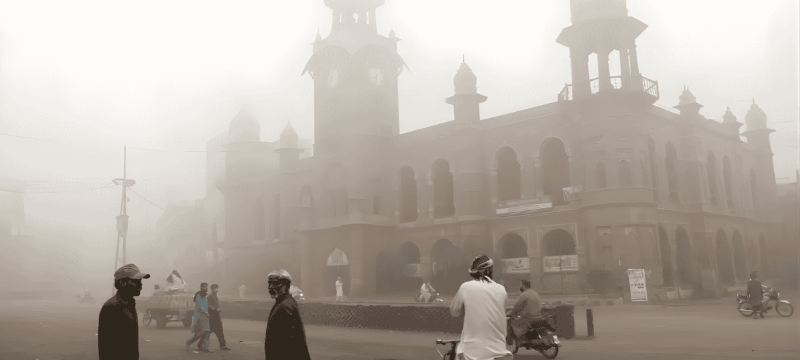
For many years, smog was described as seasonal fog. Engineer Abid Omar questioned this claim early on. He noticed the air had changed since his childhood in Lahore. Even Karachi now struggles, despite sea winds.
At the time, there was no public pollution data. Omar decided to act independently. In 2016, his group, the Pakistan Air Quality Initiative (PAQI), installed its first air monitor. Today, PAQI operates around 150 monitors across the country.
The data feeds into the global platform IQAir. In 2024, IQAir ranked Pakistan as the world’s third most polluted country. Harmful PM2.5 particles averaged 14 times above WHO safety limits.
Poor air quality has serious effects. Schools close during heavy smog periods. Hospitals report more patients with breathing problems. Pollution sources include diesel fumes, crop burning, and winter weather patterns.
PAQI data has also influenced policy. In 2017, it helped Lahore High Court recognise smog as a public health threat. The court ordered Punjab to install official monitoring stations. The province now has 44 stations.
Officials, however, question private monitors. They say such data may cause panic. Researchers disagree. They argue citizen data fills gaps left by limited official systems.
Other citizens have joined the effort for clean air. In Islamabad, academics Umair Shahid and Taha Ali formed Curious Friends of Clean Air. They use low-cost, 3D-printed monitors. These devices record air quality every three minutes.
The data has changed daily habits. Yoga groups now adjust schedules. Families avoid peak pollution hours. Neighbours consider masks and air purifiers, though costs remain high.
Records show pollution persists year-round. It remains dangerous even when smog is not visible. Experts say current policies treat symptoms, not root causes.
The World Bank reports pollution caused 230,000 deaths and illnesses in 2019. Health costs equalled nine percent of GDP.
Legal action has followed. In December 2024, activist Hania Imran sued the state for the right to clean air. She demands cleaner fuels and better transport.
Her case reflects growing public pressure. Citizens now see clean air as a basic right, not a privilege.
In other news read more about: Hazardous Smog Chokes Lahore as Air Quality Reaches Dangerous Levels