ISLAMABAD: The federal government is considering a major change in Pakistan’s electricity distribution system by introducing a new privatization framework that would allow private companies to compete in supplying power to consumers.
The proposed arrangement aims to restructure electricity distribution companies (DISCOs) by separating the management of physical infrastructure from electricity purchasing and sales operations.
Under the plan, private investors could acquire distribution networks, while separate companies would be allowed to purchase electricity and supply it to customers through a competitive market.
The government expects the proposed changes to improve efficiency, attract private investment and create opportunities for competitive electricity prices.
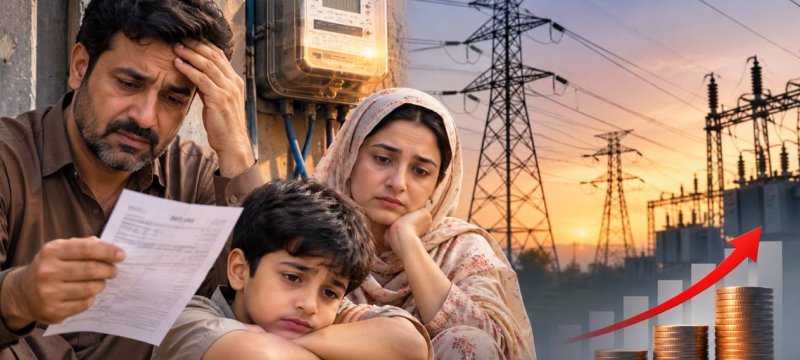
However, consumers should not expect an immediate reduction in their monthly electricity bills. Existing financial commitments in the power sector, including annual capacity payment obligations estimated at approximately Rs. 1.7 trillion, would continue to affect electricity costs.
The proposed framework divides electricity distribution operations into two separate business categories. The first would involve private investors acquiring distribution infrastructure, including electricity poles, wires and other network equipment.
These companies would operate under regulatory supervision and maintain the distribution system. They would also act as suppliers of last resort if an independent electricity provider failed to meet its obligations.
The second category would introduce independent electricity suppliers into the market. These companies would purchase power through competitive auctions and sell it to their respective customers.
Their responsibilities would include electricity procurement, customer services, billing and payment collection. They would use existing distribution networks rather than constructing separate infrastructure.
The government believes that allowing multiple suppliers to operate through the same network could encourage competition and improve services for electricity consumers.
The initial plan covers three major distribution companies: Faisalabad Electric Supply Company (FESCO), Gujranwala Electric Power Company (GEPCO) and Islamabad Electric Supply Company (IESCO).
These companies are expected to form the first phase of the proposed restructuring programme. However, the framework has not yet received final government approval.
Another major issue addressed in the proposed model is Pakistan’s growing capacity payment burden.
The country faces approximately Rs. 1.7 trillion in annual capacity-related financial obligations under agreements with power producers. These payments are linked to the availability of electricity generation capacity, even when some plants are not operating at full capacity.
Under the proposed arrangement, private electricity suppliers would take responsibility for capacity-related payments according to their allocated generation capacity and customer portfolios.
However, shifting these financial responsibilities to private companies would not automatically remove the costs from the electricity system. Consumers could therefore continue paying capacity-related charges under the new arrangement.
The proposed reforms would also change the existing role of the Central Power Purchasing Agency-Guaranteed (CPPA-G), which currently plays a central part in electricity procurement.
Under the new structure, generation capacity associated with individual distribution companies could be offered to private suppliers through competitive auctions.
For example, electricity capacity linked to FESCO’s customer base could be allocated through an auction process. Successful bidders would then manage electricity procurement and supply for their respective customers.
Existing agreements with independent power producers would remain relevant, while new arrangements would govern the relationship between electricity generators and private suppliers.
The framework also proposes maintaining existing cross-subsidy protections for eligible consumers during the transition.
Before implementation, the proposal must be examined by the Power Sector Reforms Steering Committee and subsequently receive approval from the federal cabinet.
Until these formalities are completed, the existing electricity distribution arrangements will remain in place.
The government expects private-sector participation to improve operational performance, encourage investment and create a more competitive electricity market.
For households and businesses already facing high power costs, the main concern remains whether the proposed changes will eventually translate into affordable electricity tariffs.
In other news read more about: Gas Prices Likely To Increase in Pakistan Amid Winter Season
While the new model could reshape Pakistan’s power sector, its actual impact on consumer bills will depend on the final regulatory framework, auction arrangements and successful implementation.