


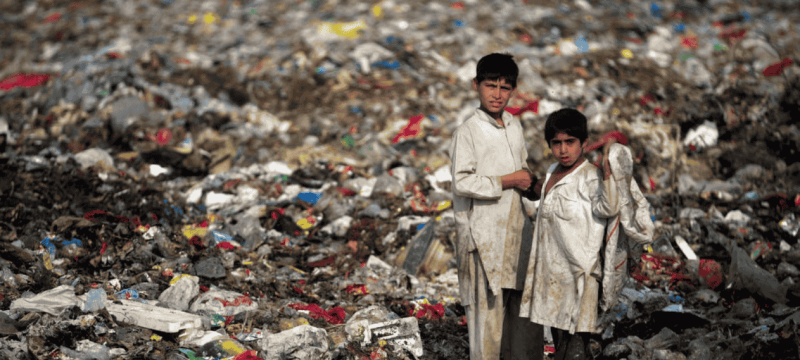
Pakistan **lacks waste management ** facilities for a large share of its population, according to new data released by the Pakistan Bureau of Statistics (PBS). The findings highlight serious gaps in basic sanitation services across both urban and rural areas.
In a recent document, the PBS revealed that nearly two-thirds of the country’s population does not have access to any formal waste disposal system. The report stated that around 67 percent of people throw garbage in open spaces. This practice remains common due to limited municipal coverage and weak infrastructure.
The data showed that only 11 percent of the population relies on municipal corporations for waste collection. Another nine percent use private waste services. These figures indicate that Pakistan **lacks waste management ** coverage at a national scale, despite rapid population growth.
Urban areas perform slightly better than rural regions. In cities, about 25 percent of residents depend on municipal waste collection. Around 18 percent use private services. However, a large portion of city households still dispose of garbage in open areas, creating health and environmental risks.
Provincial comparisons reveal sharp differences. Punjab and Sindh were found to have relatively better waste management systems than other provinces. These regions have wider municipal reach and more private sector involvement, especially in major cities.
Khyber Pakhtunkhwa faces notable challenges. The PBS reported that the province has a limited waste disposal system. In rural areas, 85 percent of households throw trash in open spaces. In urban centers, 41 percent of households follow the same unsafe practice.
Balochistan emerged as the worst-performing province in the report. Only one percent of households have access to municipal waste management services. Around 81 percent of households in the province dispose of waste in open areas. This reflects deep infrastructure gaps and limited public services.
Experts say Pakistan **lacks waste management ** planning that matches its growing urban and rural needs. Open dumping increases the risk of disease, pollutes water sources, and harms the environment. It also adds pressure on already strained healthcare systems.
The PBS findings underline the need for urgent policy action. Expanding municipal services, encouraging private investment, and raising public awareness are seen as key steps. Without strong reforms, waste disposal challenges are expected to worsen in the coming years.
The report serves as a reminder that effective waste management is essential for public health and sustainable development across Pakistan.
In other news read more about: Using Waste as Resource: Co-Creating Solutions for Promoting Youth-led Recycling in Cities of Pakistan