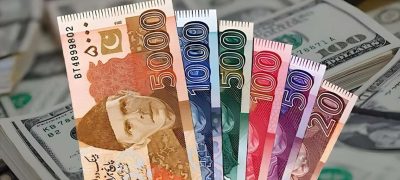


Pakistan’s foreign exchange reserves have surged to their highest level since March 2022, marking a significant milestone for the national economy. Latest data shows total reserves at USD 21.1 billion, with USD 15.9 billion held by the State Bank of Pakistan (SBP).
This increase in foreign exchange reserves has improved the country’s import coverage to over 2.6 months, a remarkable rise from just under two weeks in February 2023. Analysts note that domestic growth and confidence, rather than external borrowing, are driving this recovery.
The ratio of external debt to GDP has also decreased from 31% to 26%, indicating reduced reliance on foreign loans. Economic experts say this reflects strong financial discipline and successful reform measures.
Pakistan’s foreign exchange situation has seen a dramatic turnaround. In 2023, reserves had plummeted to around USD 2.9 billion. Since then, reserves have grown nearly 5.5 times, while forward foreign exchange liabilities have declined by approximately 65%, easing future financial pressures.
Between 2015 and 2022, Pakistan faced rising debt and declining reserves. However, since 2022, the trend has reversed, with steady accumulation of reserves and a declining debt-to-GDP ratio. Experts highlight that this improvement signals reduced external vulnerabilities, stronger business confidence, and greater overall economic stability.
The SBP’s robust management of reserves, combined with economic reforms, has played a key role in restoring confidence in Pakistan’s foreign exchange position. Analysts believe that the growth in reserves provides a buffer against external shocks and strengthens the country’s capacity to manage imports and debt obligations.
This milestone is seen as a clear indicator that Pakistan is on a path of economic recovery, demonstrating resilience, fiscal discipline, and improved macroeconomic stability.
In other news read more about: Government Imposes 40% Tax on Banks’ Windfall Profits from Foreign Exchange Income