


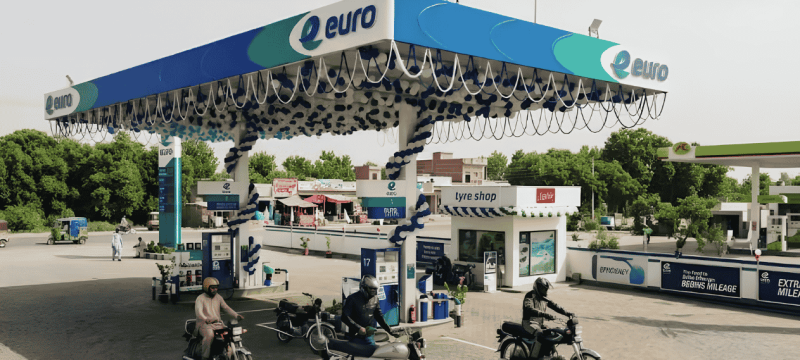
The upcoming Petrol Price review in Pakistan remains uncertain as fresh tensions in the Middle East continue to influence global oil markets. Consumers were expecting another reduction in fuel prices after recent relief, but rising geopolitical risks have created uncertainty ahead of the government’s next price announcement.
Pakistan is scheduled to review petroleum prices on July 10. Market analysts believe the Petrol Price may remain unchanged if international oil prices do not record significant increases before the review period ends.
During the past few weeks, Pakistani consumers benefited from stable fuel prices. Many hoped another reduction would follow. However, recent military developments involving the United States and Iran have increased pressure on global energy markets.
Despite the latest tensions, energy experts believe the average international crude oil price during the current pricing period has remained within a manageable range. As a result, they expect authorities may decide to keep the Petrol Price unchanged for now.
Analysts said recent fluctuations in global oil prices have not yet reached a level that would require an immediate increase in domestic petroleum rates. However, they warned that the situation could change quickly if international crude prices continue rising.
Brent crude recently climbed to around $78 per barrel. Meanwhile, US West Texas Intermediate (WTI) traded near $73.65 per barrel. Both benchmarks recorded gains after renewed concerns about global oil supplies.
The latest increase followed military developments in the Middle East. Investors reacted cautiously as concerns grew over possible disruptions to international energy shipments.
According to reports, US forces carried out strikes on approximately 90 Iranian military targets. American officials said the operation aimed to protect commercial shipping following the collapse of an interim peace understanding.
Iran later claimed it had launched attacks on US military facilities in Bahrain and Kuwait. The reported exchange has heightened fears of a wider regional conflict and increased uncertainty across global commodity markets.
Energy experts explained that Pakistan closely monitors international crude prices when determining domestic petroleum rates. Local fuel prices are influenced by average global oil costs, exchange rates, taxes, and government pricing policies.
They added that current market conditions still support price stability. However, any sharp increase in crude oil over the next few days could affect the final decision on petroleum prices.
The Strait of Hormuz remains one of the world’s most important energy routes. Nearly one-fifth of global oil and liquefied natural gas shipments pass through the strategic waterway each day.
Any disruption to shipping in the region could significantly increase transportation costs and push international oil prices even higher. Such developments could also raise import costs for countries that depend heavily on foreign energy supplies.
Pakistan imports a large share of its petroleum requirements. Therefore, sustained increases in global crude prices often place pressure on the country’s import bill, foreign exchange reserves, and inflation.
Market observers said if geopolitical tensions begin to ease, traders are likely to shift attention back to supply and demand fundamentals. Rising US crude inventories, strong production levels, and planned output increases by major oil-producing countries could help stabilize prices.
For now, industry experts believe the upcoming Petrol Price review is likely to bring stability rather than another increase. Consumers and businesses will closely watch the government’s announcement, as fuel prices directly affect transportation costs, inflation, and household expenses across Pakistan.
In other news read more about: Petrol Price Update: Aurangzeb Says Petroleum Ministry Will Announce Final Decision