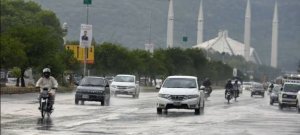
Petrol prices have climbed sharply in Pakistan amid rising global oil market pressures.
Fresh data shows a major gap between the actual fuel cost and the retail price. The actual cost of petrol stands at Rs234.73 per litre.
However, motorists are paying Rs367.75 per litre at fuel stations. This means consumers pay Rs133.02 more for every litre.
Documents show that Rs131.60 per litre comes from levies, taxes and margins. These additional charges significantly increase the final price paid by consumers.
The higher rates are adding pressure on motorists across the country. Rising fuel costs can also increase transportation and other daily expenses.
Petrol Price Jumps in Three Days
The latest increase has been particularly sharp. Petrol rose by Rs21.88 per litre within only three days.
Its price increased from Rs345.87 on September 7 to Rs367.75. The sudden rise has increased concerns among consumers.
Diesel prices have also moved higher during the same period. Diesel increased by Rs14.62 per litre in three days.
Its price rose from Rs378.05 on September 7 to Rs392.67 per litre. Around Rs122.55 per litre consists of levies, taxes and margins.
The increase in both fuels could affect transportation costs. It may also place additional pressure on household budgets.
Global Oil Prices Remain Above $100
International oil prices have remained above the $100-a-barrel level. Concerns over supply disruptions are supporting higher prices.
The escalation of the US-Iran conflict has increased fears around commercial shipping. Any prolonged disruption could further affect global energy markets.
Brent crude slipped 0.1% to $101.10 per barrel. US West Texas Intermediate rose 0.2% to $96.24.
The figures were recorded at 0256 GMT on Thursday. Brent remains nearly 30% above its early-August low.
The ongoing situation around the Strait of Hormuz remains a major concern. The waterway is critical to international energy supplies.
Hormuz Disruption Raises Supply Concerns
Before the conflict, the Strait of Hormuz carried about one-fifth of global oil and gas supplies. However, shipping traffic has now fallen significantly below normal levels.
Any extended disruption could create additional uncertainty for energy markets. It could also keep international crude prices under pressure.
Pakistan relies heavily on imported fuel to meet domestic energy needs. Global price movements therefore have a direct impact on local fuel rates.
The latest Petrol increase comes as consumers already face higher costs. Further increases in international crude prices could create additional pressure.
Authorities and consumers will continue watching developments in global oil markets. The direction of crude prices could influence Pakistan’s future fuel rates.
In other news read more about: Petrol Price Increases to Rs. 350 Per Litre — Latest Update