

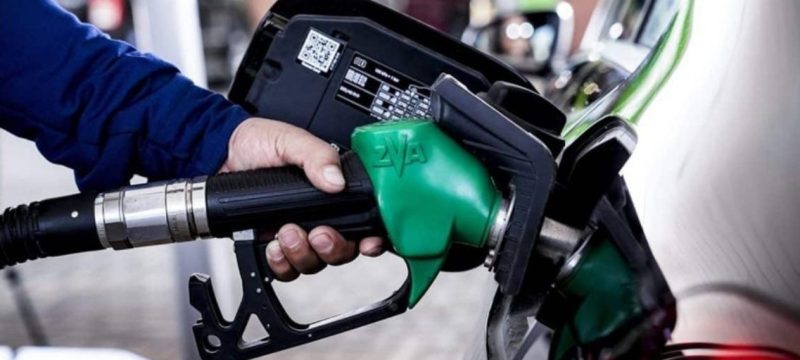
Petrol prices in Pakistan are expected to change starting February 1, 2026, following proposals submitted by the petroleum industry to OGRA. The working paper outlines suggested increases for several fuel products, though petrol may see only a minor adjustment.
According to initial calculations, petrol prices have recently decreased slightly by 36 paise per litre. Market analysts say petrol may remain relatively stable in the coming weeks. However, other petroleum products, including diesel, kerosene, and light diesel, are expected to face significant hikes.
Proposed increases for various fuels are as follows:
- Diesel: Rs 9.47 per litre
- Kerosene: Rs 3.45 per litre
- Light diesel: Rs 7 per litre
The working paper has been submitted to the Oil & Gas Regulatory Authority (OGRA). The authority will review the proposals and forward them to the federal government for final approval.
The government has the power to adjust the tax levy on petroleum products, which can affect the final prices. If the tax is lowered, the overall increase may be minimal. However, the Prime Minister has the final authority to approve any change in petrol prices or other fuel rates.
As of January 16, 2026, the current petrol prices in Pakistan are:
- Petrol (Super): Rs 253.17 per litre
- Diesel: Rs 257.08 per litre
Experts note that these proposed adjustments reflect global fuel price trends and rising production costs. Consumers are advised to monitor announcements from OGRA and the Ministry of Energy for confirmed price changes.
Industry insiders suggest that while the increase in petrol prices may be minor, higher diesel and kerosene rates could impact transport and industrial sectors. Analysts expect that transport fares and logistics costs may rise slightly, affecting goods and services prices nationwide.
In other news read more about FBR Seals Illegal Petrol Pumps as PDL Collection Hits Rs828 Billion
The federal government has assured that any decision will balance market realities with public affordability. Officials say they are closely reviewing OGRA’s proposals before finalizing petrol prices and other fuel adjustments.