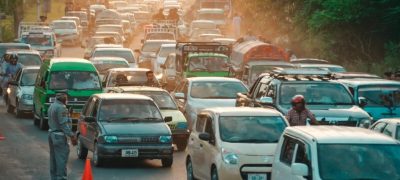


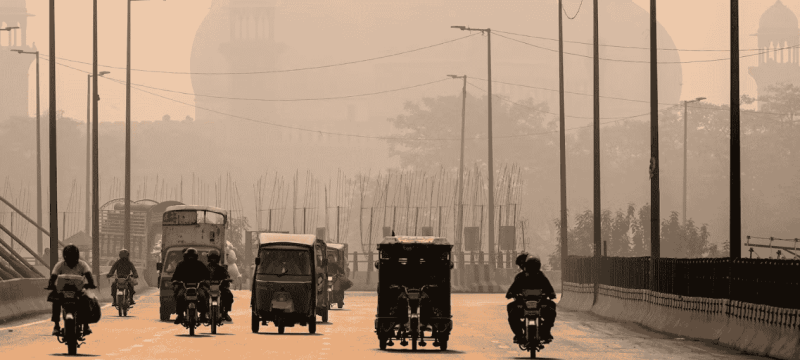
Punjab is once again struggling with rising smog levels as winter begins. Several major cities recorded dangerous air quality this week, raising concerns about public health. Experts warn that the region is experiencing some of the Bad air conditions seen in recent years.
According to the latest report, Faisalabad recorded the highest Air Quality Index reading at 533. This level falls in the hazardous category and shows the presence of extremely harmful particulate matter. Gujranwala followed with an AQI of 370, while Lahore reported a reading of 269. Rawalpindi, Jhelum, and Bahawalpur also recorded readings above 200, placing them in the unhealthy range.
The rise in pollution is linked to the seasonal shift. Each year, smog increases when temperatures drop and the air becomes still. This weather pattern traps pollutants near the ground, creating long periods of Bad air across the province. Authorities have tried several measures to control smog, but the situation remains challenging.
Last year, Punjab faced severe smog that caused major disruptions. Lahore was covered in thick layers of pollution for days. Experts said the smog was a mix of fog, vehicle emissions, and smoke from agricultural burning. During that period, Lahore’s pollution level climbed to more than 80 times the safe limit set by the World Health Organization.
To protect the public, the government introduced emergency steps last year. Schools were closed, and business hours for restaurants, markets, and shops were reduced. These actions aimed to limit public exposure to hazardous pollution and reduce health risks.
This year’s early readings show that Punjab may again face long weeks of Bad air. Environmental experts stress that strict action is needed to reduce smog before conditions worsen further. Without timely efforts, the health of millions could be at risk as winter deepens.
In other news read more about: Punjab Faces Hazardous Air Quality, Faisalabad Worst Hit