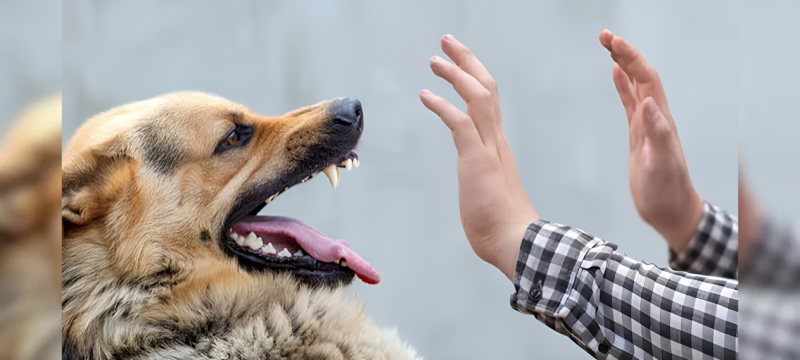
HYDERABAD: A six-year-old boy from Badin has died of Rabies despite reportedly receiving anti-rabies vaccination and immunoglobulin treatment.
The child’s death has increased the reported number of rabies-related fatalities in Sindh to 43 this year.
According to hospital officials, the boy died on October 24 at Liaquat University Hospital (LUH) in Hyderabad.
The incident has raised concerns about rabies treatment procedures and patient monitoring across healthcare facilities in Sindh.
Child Develops Severe Rabies Symptoms After Dog Bite
LUH Medical Superintendent Dr. Ershad Kazmi shared details about the child’s medical history and treatment.
According to Dr. Kazmi, a dog attacked the boy on September 29 in Goth Bachal Balan, Badin.
The same animal reportedly attacked seven other people before local residents killed it.
Following the attack, the child was initially taken to Indus Hospital in Badin and later discharged.
He reportedly received one dose of rabies immunoglobulin (RIG) and three doses of anti-rabies vaccine (ARV) in Golarchi.
However, the boy developed serious symptoms approximately two weeks after the incident.
His condition worsened, and he was eventually brought to Liaquat University Hospital for emergency medical treatment.
Doctors reported several symptoms, including fever, irritability, difficulty breathing, and fear of water.
He also experienced aerophobia, a condition involving sensitivity to moving air.
These symptoms indicated that the disease had progressed to a critical stage.
Doctors Attempt Emergency Treatment
Medical staff found the child in critical condition when he arrived at the hospital.
He was experiencing rapid breathing, weak pulses, and poor blood circulation.
Doctors immediately provided oxygen, intravenous fluids, and medication to support his blood circulation.
Despite these emergency measures, his condition continued to deteriorate.
The six-year-old died on October 24, the same day he received emergency treatment at LUH.
The reported vaccination history has raised questions about the circumstances surrounding his treatment.
However, the available information does not establish why the preventive treatment failed to protect the child.
Sindh Government Orders Action Over Rabies Deaths
Meanwhile, Sindh Chief Secretary Asif Hyder Shah has ordered the suspension of four doctors.
He has also sought explanations from the heads of seven healthcare facilities.
The action follows investigations into rabies deaths involving patients who reportedly received ARV and RIG treatment.
The provincial health department has introduced a monitoring system to investigate every reported rabies-related death.
The system aims to examine treatment records and identify possible gaps in medical care.
Officials are reviewing cases to determine whether patients received appropriate treatment and follow-up care.
The suspensions were ordered following findings from this monitoring process.
Rabies Prevention and Timely Treatment Remain Important
Rabies is a serious viral disease that affects the central nervous system.
It usually spreads through the bite or saliva of an infected animal.
Immediate wound washing and appropriate medical treatment are essential after a suspected rabid animal bite.
Post-exposure treatment can prevent the disease when administered correctly before symptoms develop.However, rabies is almost always fatal once clinical symptoms appear.
In other news read more about ‘We Shouldn’t Punish All Dogs’: Sabeena Farooq Opposes Stray Dog Culling
The latest death in Badin highlights the importance of timely treatment, proper medical assessment, and patient follow-up.Sindh health authorities are continuing investigations into reported fatalities to identify possible treatment failures and improve patient safety.