


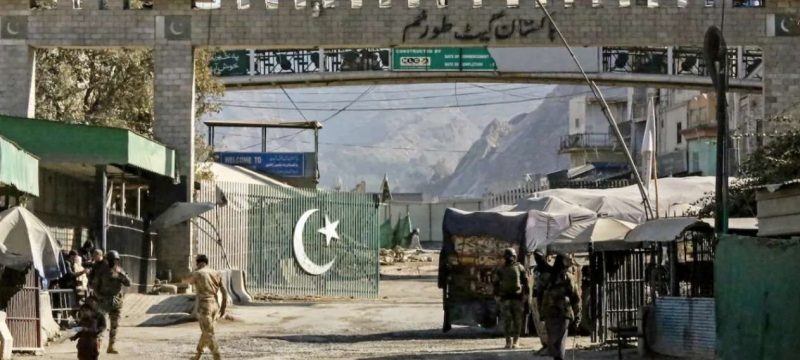
Pakistan recently carried out a precision Strike across the Afghan border after a series of deadly terror attacks shook the country. Officials say the action was taken as a last resort to protect national security and prevent further violence.
The decision came after several major attacks caused heavy casualties in different parts of Pakistan. On February 6, a suicide bomber targeted the Khadija Tul Kubra mosque in Islamabad during Friday prayers. The blast killed 32 people and left more than 160 others injured.
Hospitals in the capital struggled to treat the large number of victims. The attack shocked the country and raised serious concerns about rising terrorist activity.
Soon after, more attacks were reported during the early days of Ramadan. An explosives-filled vehicle destroyed a security post in Bajaur. The blast killed 11 people, including security personnel and a child.
Another incident occurred in Bannu, where a suicide attack and gunfire targeted a military convoy. These repeated incidents increased pressure on authorities to respond strongly.
Security analysts say these attacks pointed to organized militant networks operating from across the border. According to officials, Pakistan had shared several intelligence reports with authorities in Afghanistan.
Despite repeated warnings and diplomatic efforts, Pakistan believed the threats continued to grow. Officials say months of discussions produced little progress in stopping cross-border attacks.
Faced with increasing casualties, Pakistan authorized a precision Strike on several locations inside Afghanistan. The operation took place during the night of February 21 and continued into February 22.
According to security sources, the Strike targeted terrorist infrastructure in Nangarhar, Paktika, and Khost provinces. Intelligence-based air operations were used to hit multiple militant positions.
Officials reported that more than 100 militants linked to Tehreek-e-Taliban Pakistan (TTP) were killed during the operation. The Strike also targeted several high-value commanders believed to be involved in planning attacks in Pakistan.
Among those reportedly eliminated were senior militant figures connected to major terror networks. Authorities said the operation aimed to disrupt command structures and weaken militant capabilities.
However, Afghan officials reported that some civilians were also affected during the operation. Pakistan expressed regret over the loss of innocent lives and called the deaths a tragic outcome of conflict.
Security experts say the Strike was meant to send a clear message that Pakistan will not tolerate safe havens for terrorist groups. Officials emphasized that the action was not intended as a war against Afghanistan.
Pakistan says it continues to support peace and stability in the region. Authorities stress that a stable Afghanistan remains important for regional cooperation and development.
In other news read more about: Over 100 Terrorists Killed in Pakistan Airstrikes in Afghanistan
Despite this, officials say Pakistan will continue to defend its citizens against cross-border threats. The recent Strike reflects a growing determination to address militant networks that threaten national security.