


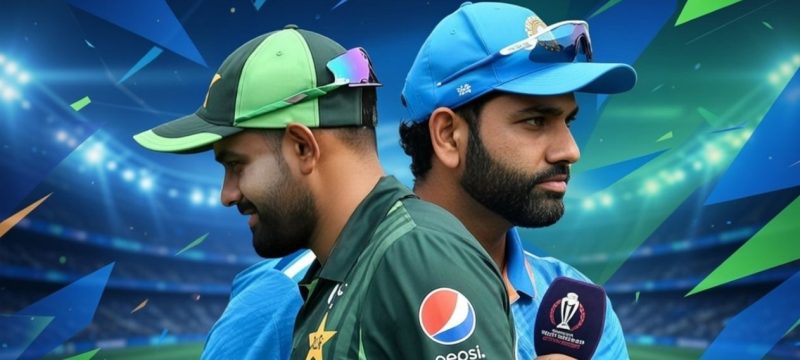
Pakistan’s announcement that it will not play against India in the T20 World Cup has caused major discussions across the cricketing world. The decision is significant because a Pakistan–India match is considered the most commercially valuable fixture of the tournament.
Experts estimate that a single Pakistan–India clash generates around $500 million (PKR 140 billion) in revenue. This includes broadcast rights, sponsorship deals, advertising premiums, ticket sales, and legal betting. The match’s revenue far exceeds most other fixtures in the T20 World Cup, making it crucial for the tournament’s financial health.
Broadcasters particularly benefit from this match. A 10-second ad during a Pakistan–India game costs between 2.5 million and 4 million Indian rupees (approximately PKR 7.6 million to PKR 12.2 million). Other matches, even against top teams, generate far less advertising income. Without this fixture, the T20 World Cup’s commercial structure could face significant disruption.
The International Cricket Council (ICC) also relies on the revenue from Pakistan–India games to support member boards that earn less from broadcasting or sponsorship. A loss of this match would not only affect Pakistan and India but could also reduce funds available for other Full and Associate member boards.
According to Indian media reports, advertising revenue for this match alone is estimated at 3 billion Indian rupees (PKR 9.2 billion). Rights holders would bear the first impact of these losses, while the ICC might need to cover the shortfall to maintain payments to other boards.
In other news read more about: Why Is Pakistan Skipping India? ICC Breaks Silence on T20 World Cup Clash
While cricket fans lament missing one of the most exciting matchups in the T20 World Cup, officials and analysts stress that the financial implications of Pakistan’s decision extend far beyond the field. This situation highlights how pivotal the Pakistan–India fixture has become for global cricket revenue.