

Huawei Technologies has launched its latest flagship, the Huawei Mate 80 series, powered by the new Kirin 9030 processor. The chip is manufactured by China’s top foundry SMIC using an improved 7-nanometer process, known as N+3.
According to Canadian research firm TechInsights, the N+3 process is an upgraded version of SMIC’s previous N+2 node. However, the report notes that it remains behind the 5-nanometer chips produced by TSMC and Samsung. Huawei and SMIC did not immediately comment on the report.
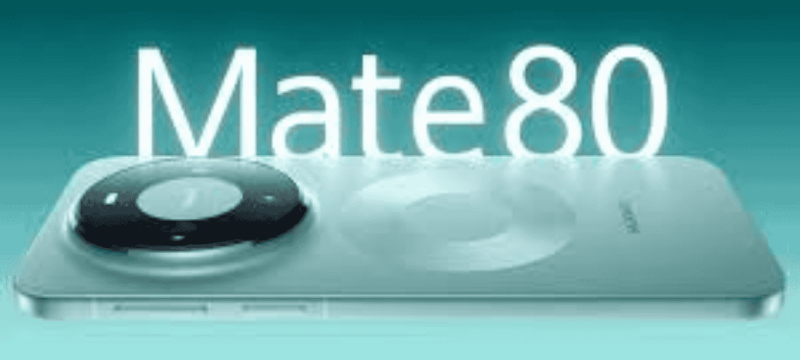
The Huawei Mate 80 series includes four models: Mate 80, Mate 80 Pro, Mate 80 Pro Max, and Mate 80 RS Ultimate Design. The lineup features impressive specifications suitable for high-end users. The Mate 80 itself uses the Kirin 9020 processor, while the other models rely on the Kirin 9030 or 9030 Pro for enhanced performance.
The phones feature LTPO OLED displays ranging from 6.75 inches to 6.9 inches, offering peak brightness up to 8000 nits. RAM starts at 12GB, and the Mate 80 RS Ultimate Design offers up to 20GB RAM with 1TB storage.
Camera capabilities are notable on the Pro Max and RS Ultimate Design models, which include a quad-camera setup with a 50MP main sensor, 40MP ultra-wide lens, and dual periscope telephoto lenses with up to 6.2x optical zoom. Battery capacity ranges from 5,750mAh on the Mate 80 and Pro to 6,000mAh on the Pro Max and RS Ultimate Design. Fast charging is supported, including 100W wired, 80W wireless, and 20W reverse wireless charging.
All models run HarmonyOS 6.0 and feature IP68/IP69 water and dust resistance. Pricing starts at approximately $665 for the Mate 80, rising to about $1,266 for the Mate 80 Pro Max, and $1,830 for the RS Ultimate Design. The series is expected to launch in Pakistan soon, with the Mate 80 priced around Rs. 186,400.
The Huawei Mate 80 series demonstrates Huawei’s commitment to delivering high-performance devices despite global chip manufacturing challenges, while offering premium features to users worldwide.
In other news read more about: Nvidia CEO Voices Disappointment Over China AI Chip Ban