

Researchers at the University of British Columbia (UBC) Okanagan have uncovered a plant secret that explains how certain tropical trees produce mitraphylline. This rare compound is known for its strong anti-tumor properties.
Mitraphylline belongs to a group of molecules called spirooxindole alkaloids. These molecules have a unique twisted structure, which allows them to fight cancer cells effectively. Until now, scientists were unsure how plants created this complex molecular shape.
“This discovery is like finding a missing piece in nature’s assembly line,” said Dr. Thu-Thuy Dang, a lead researcher at UBC Okanagan. “It reveals a long-hidden plant secret about molecular construction.”
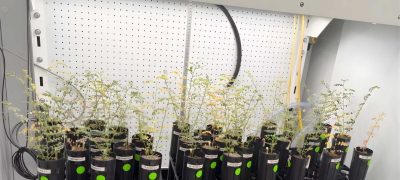
In 2023, Dr. Dang’s team identified the first enzyme in plants capable of twisting molecules into the precise shape needed for mitraphylline. PhD student Tuan-Anh Nguyen expanded on this, showing that two enzymes are essential: one prepares the molecule, and the other twists it into mitraphylline.
The challenge was that mitraphylline exists only in small amounts in tropical trees such as Kratom and Cat’s Claw. Extracting it directly from these trees is costly and unsustainable.
By understanding this plant secret, researchers can now reproduce mitraphylline in the laboratory. This method provides a sustainable, cost-effective alternative, reducing the need to harvest rare trees.
Dr. Dang emphasized that the discovery opens new possibilities for medicine. “Our next step is to adapt these molecular tools to produce a broader range of therapeutic compounds,” she said.
This breakthrough highlights the potential of plant-based medicine in modern healthcare. By uncovering this plant secret, scientists are paving the way for safer, more accessible treatments derived from nature.
In other news read more about: Japan Set to Restart World’s Largest Nuclear Power Plant