


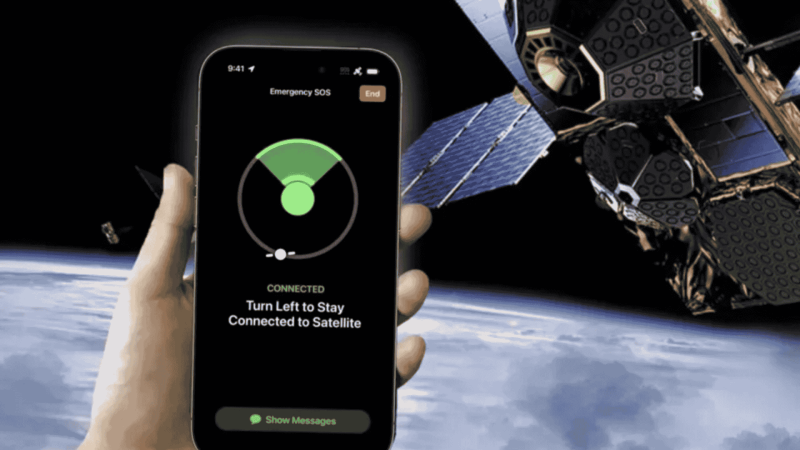
SpaceX’s satellite internet division, Starlink, has signed its biggest direct-to-cell satellite connectivity deal to date with Veon, the parent company of Jazz, according to a Reuters report. The agreement aims to expand satellite-based mobile services across several countries in Asia and Europe.
Under the new deal, Veon will integrate Starlink’s advanced satellite technology into its mobile networks. The rollout will begin with Beeline in Kazakhstan and Kyivstar in Ukraine. Veon, which also operates in Pakistan, Bangladesh, and Uzbekistan, plans to extend the service to more markets in the future.
The Starlink partnership is nonexclusive, giving Veon the flexibility to explore additional collaborations. Reports suggest the telecom giant is also in discussions with other satellite service providers, including Amazon’s Project Kuiper, AST SpaceMobile, and Eutelsat OneWeb.
Currently, Starlink serves more than seven million users worldwide and has partnered with telecom operators in 11 countries. The company operates a massive satellite fleet of over 8,000 units, with around 650 specifically built for direct-to-cell connectivity.
Industry experts say this deal represents a significant step toward expanding global mobile coverage, especially in remote or underserved regions. The collaboration between Starlink and Veon could help bridge connectivity gaps in developing markets like Pakistan and Bangladesh, where network access remains limited in rural areas.
Veon’s CEO emphasized that the company aims to provide reliable, high-speed mobile connectivity to all its users, regardless of geography. The partnership with Starlink aligns with that goal by leveraging cutting-edge satellite technology to enhance communication networks.
With this agreement, Starlink continues to strengthen its position as a global leader in satellite-based mobile services, while Veon takes a major step toward expanding its technological reach and improving connectivity across its operating regions.
In other news read more about: Starlink Faces Another Delay in Pakistan Launch