

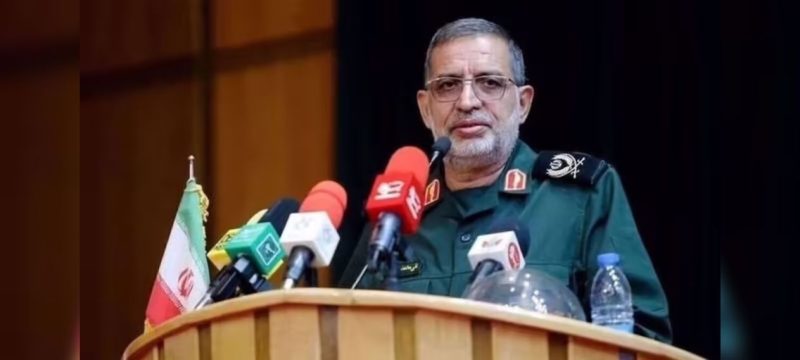
TEHRAN – Iranian state media confirmed that Ali Mohammad Naini, spokesperson for Iran’s Islamic Revolutionary Guard Corps (IRGC), has been killed in joint US-Israeli airstrikes.
The IRGC described the attack as a “criminal cowardly terrorist act by the American-Zionist side,” which occurred at dawn. Multiple Iranian outlets, including Tasnim and Mehr News Agency, reported that Ali Mohammad Naini was “martyred” in the strikes.
Veteran IRGC Figure
Naini had served in the IRGC for nearly four decades and had been the organization’s spokesperson since 2024. He was a key public voice for Iran’s military and frequently addressed defense developments and missile capabilities.
Earlier on Friday, Ali Mohammad Naini dismissed claims by Israeli Prime Minister Benjamin Netanyahu that Iran’s missile program had been disabled. He reiterated that Iran retained its capacity to produce missiles and warned that the conflict would continue “until the enemy is completely exhausted.”
Escalating Conflict
The killing of Ali Mohammad Naini comes amid heightened tensions following US and Israeli strikes on Iran that began on February 28. The ongoing conflict has reportedly claimed around 1,300 lives and has included major attacks on strategic Iranian targets.
In retaliation, Iran has launched missile and drone strikes targeting Israel, Jordan, Iraq, and Gulf nations hosting US military assets. The conflict has also disrupted global energy routes, with Iran effectively closing the Strait of Hormuz, a vital passage for about 20% of the world’s liquefied natural gas and 20 million barrels of oil per day.
Israel has not yet officially commented on Naini’s death. Analysts say his killing marks a significant escalation and underscores the conflict’s regional and global implications.
In other news read more about Iran Seeks Compensation from UAE Over Alleged Role in US Strikes
The death of Ali Mohammad Naini highlights the deepening intensity of the confrontation, with both sides continuing military operations. Experts warn that the situation remains volatile, and further escalation could have serious consequences for regional stability and the global economy.