


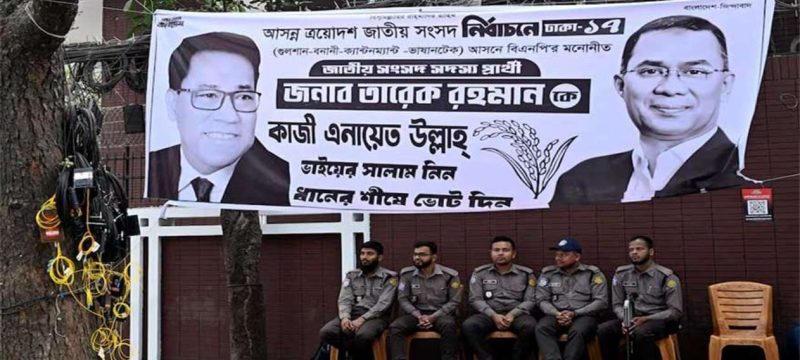
Bangladesh Nationalist Party (BNP) has won a landslide Election in Bangladesh. The result brings the party back to power after nearly two decades. It also positions party leader Tarique Rahman to become the next prime minister.
According to the Bangladesh Election Commission, the BNP and its allies secured at least 212 of the 299 seats. The results confirmed a clear Election victory for the opposition alliance. Jamaat-e-Islami and its partners won 77 seats in parliament.
This Election was seen as the first truly competitive vote in years. It followed months of unrest and economic disruption. The crisis began after the fall of former prime minister Sheikh Hasina’s government in 2024.
Since then, an interim administration led by Nobel laureate Muhammad Yunus has been in charge. The Election result is expected to restore political stability and rebuild public confidence.
Rahman, the son of former prime minister Khaleda Zia and late president Ziaur Rahman, has not yet issued a formal statement. However, the BNP asked supporters to avoid large celebrations. The party instead called for prayers following the Election win.
The National Citizen Party, formed by youth activists, won only five seats. It had contested 30 constituencies as part of the Jamaat-led alliance.
A strong result in the Election is seen as key for stability in the country. Bangladesh’s economy, especially the garment industry, was hit by months of unrest. The country is the world’s second-largest apparel exporter.
Economist Selim Raihan said the large majority would help the BNP pass reforms smoothly. He noted that it could prevent political deadlock and create short-term stability.
In its manifesto, the BNP promised to create jobs and support low-income families. It also pledged fair prices for farmers and economic reforms.
International leaders quickly congratulated Rahman. Among them were Narendra Modi, Shehbaz Sharif, and the United States ambassador to Bangladesh.
Analysts say the new government will also face foreign policy challenges. Major powers such as India, China, and the United States are competing for influence in Bangladesh.
The Election saw strong voter participation. Media reports suggest turnout reached nearly 60 percent. More than 2,000 candidates from at least 50 parties contested the vote.
In other news read more about: Bangladesh’s BNP Wins Two-Thirds Majority in Landmark Election
A constitutional referendum was also held alongside the Election. Proposed reforms include term limits for prime ministers and stronger judicial independence. Official results of the referendum have not yet been announced.