

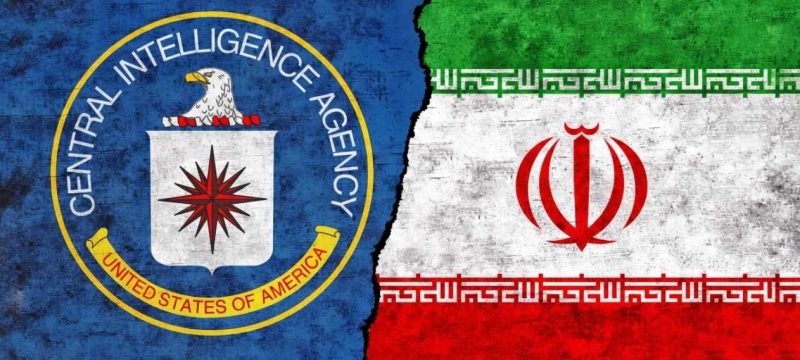
Tensions between the United States and Iran continued to rise on Friday as clashes intensified in the Gulf region despite ongoing diplomatic efforts to end the conflict. At the same time, a reported CIA assessment suggested Iran could withstand a Naval Blockade for several months without facing immediate economic collapse.
According to a US official familiar with the matter, the intelligence analysis concluded that Iran would likely avoid severe economic pressure from a US-led Naval Blockade for nearly four months. The report raised questions about how much leverage Washington currently holds over Tehran during negotiations.
However, a senior intelligence official later rejected the claims linked to the CIA assessment. The official stated that the blockade was already damaging Iran’s economy by reducing trade, lowering revenue, and increasing economic pressure on the country.
The situation in the Strait of Hormuz remained tense throughout the week. The region has witnessed some of the largest confrontations since a ceasefire was announced a month ago. Fresh attacks were also reported in the United Arab Emirates on Friday.
The United States is currently waiting for Iran’s response to a proposal aimed at formally ending the war before moving toward negotiations on more sensitive issues, including Tehran’s nuclear program.
US Secretary of State Marco Rubio said Washington expected to receive a response from Tehran soon. Iranian officials later confirmed that the proposal was still under review.
Meanwhile, sporadic naval clashes continued in the Strait of Hormuz. Iranian media reported confrontations between Iranian forces and US naval vessels in the strategic waterway. Later reports suggested the situation had calmed, although further clashes remained possible.
The US military also confirmed striking two Iran-linked vessels attempting to enter an Iranian port. According to officials, a US fighter jet targeted the ships’ smokestacks, forcing them to retreat.
Iran has largely restricted non-Iranian shipping through the Strait of Hormuz since the conflict began in February following joint US-Israeli airstrikes. The Naval Blockade imposed by Washington last month has significantly affected maritime activity in the region.
Oil markets reacted quickly to the growing tensions. Brent crude prices climbed above $101 per barrel, although prices still remained lower overall for the week.
The conflict also spread beyond the waterway. The United Arab Emirates said its air defense systems intercepted ballistic missiles and drones launched from Iran. Officials reported that three people suffered moderate injuries during the attacks.
Iran accused the United States of violating the ceasefire agreement. Iranian Foreign Minister Abbas Araqchi criticized Washington for choosing military action instead of diplomacy whenever negotiations appeared possible.
At the same time, the United States announced fresh sanctions against several individuals and companies accused of supporting Iran’s military industries. The US Treasury said the measures targeted networks involved in supplying materials for Iranian drone production.
In other news read more about: US Strikes Iran’s Qeshm Port and Bandar Abbas Amid Rising Gulf Tensions
Officials in Washington stated that additional economic actions could follow if foreign companies continue supporting Iranian trade activities linked to military operations. Analysts believe the Naval Blockade and new sanctions could further increase tensions between the two countries in the coming weeks.