Consumers planning to invest in renewable energy or purchase environmentally friendly vehicles may face higher costs in the coming months, as proposed tax measures for Budget 2026-27 could increase prices across several sectors.
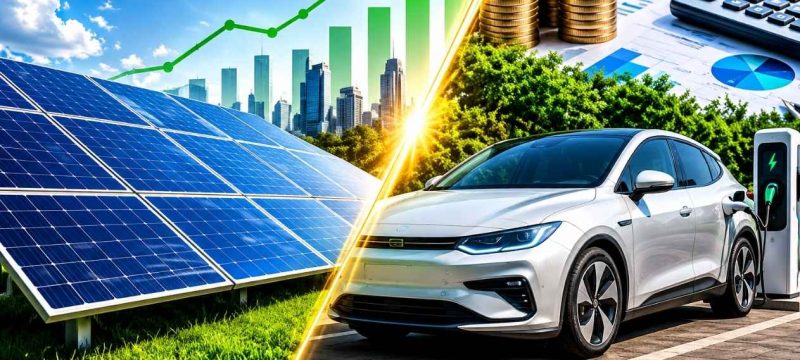
According to sources, the government is reviewing multiple taxation proposals while continuing discussions with the International Monetary Fund (IMF). One of the key concerns is the possibility of higher taxes on electric vehicles, hybrid vehicles, and Solar Panels.
Sources familiar with the discussions said the IMF has opposed the introduction of new tax exemptions and instead recommended increasing the General Sales Tax (GST) on several products.
Under the proposals being discussed, GST on electric vehicles could rise from 1 percent to 18 percent. Similarly, the tax rate on hybrid vehicles may increase from 8 percent to 18 percent.
The proposed changes also affect Solar Panels, which are becoming increasingly popular among consumers seeking alternatives to rising electricity costs. According to sources, GST on solar equipment could increase from 10 percent to 18 percent.
If approved, these measures are expected to make solar energy systems significantly more expensive. Industry experts believe the higher taxes could discourage households and businesses from investing in renewable energy solutions.
The impact may also be felt across the broader electric mobility sector. Electric cars, motorcycles, rickshaws, buses, trucks, and other vehicles could become more expensive due to the proposed tax increases.
Sources also suggest that electric pickups, tractors, and double-cabin vehicles may face additional taxation under the upcoming budget.
The proposals have emerged at a time when the government is preparing a new auto policy aimed at encouraging cleaner transportation. Earlier plans reportedly included reducing average tariffs in the auto sector over the next five years to support industry growth and electric vehicle adoption.
Officials were also considering removing the 1 percent advance tax on exports. However, the IMF’s recommendations have complicated those plans and created uncertainty about future incentives.
Business leaders and industry observers have expressed concern that higher taxes on Solar Panels and electric vehicles could slow Pakistan’s transition toward cleaner energy and transportation technologies.
Meanwhile, the textile sector is also seeking relief in the upcoming budget. Industry representatives have urged the government to release pending refunds and reduce energy costs to improve export competitiveness.
Budget discussions remain ongoing, and no final decisions have been announced. Policymakers are attempting to balance revenue requirements with economic growth objectives while addressing concerns raised by various industries.
In other news read more about: Punjab Prepares Rs. 1.45 Trillion Development Budget for FY2026-27
As preparations for Budget 2026-27 continue, consumers, businesses, and investors are closely watching the government’s final decisions. Any increase in taxes on solar equipment and electric vehicles could have a direct impact on purchasing decisions and future investment in green technologies.