


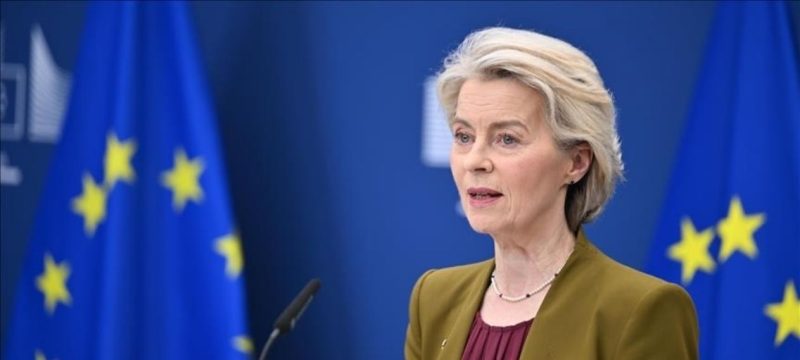
EU Agrees to indefinitely freeze Russian central bank assets held across Europe. The decision removes a major hurdle to using the funds to support Ukraine’s defence and budget needs.
EU officials say the move is aimed at keeping Ukraine financially stable during the ongoing conflict. The bloc views Russia’s invasion as a direct threat to European security. Since 2022, the EU has frozen Russian sovereign assets to pressure Moscow.
On Friday, EU Agrees to keep around €210 billion in Russian assets frozen for an unlimited period. Previously, the freeze required renewal every six months. The new decision removes the need for repeated votes.
The change also reduces political risk within the bloc. Some EU members, including Hungary and Slovakia, have closer ties with Moscow. Under the old system, they could have blocked an extension. That could have forced the EU to return the funds to Russia.
The indefinite freeze supports plans to provide a large loan to Ukraine. The EU wants to use income generated from the frozen assets to back a loan of up to €165 billion. The funds would help cover Ukraine’s military and civilian budgets in 2026 and 2027.
Under the proposal, Ukraine would repay the loan only if Russia pays war damages. EU officials say this would make the loan similar to an advance on future reparations.
Belgium plays a key role in the plan. The country hosts Euroclear, which holds most of the frozen Russian assets. The decision to keep assets frozen aims to reassure Belgium and secure its support.
EU leaders are expected to discuss final details at a European Council meeting on December 18. Remaining issues include legal guarantees to protect Belgium from potential Russian lawsuits.
Ukraine welcomed the move. Prime Minister Yulia Svyrydenko called the decision a step toward justice and accountability. She said it strengthens the legal path for reparations.
Germany supports the plan and may provide up to €50 billion in guarantees. Denmark, which holds the rotating EU presidency, said some concerns remain but progress is being made.
Meanwhile, Russia has criticised the decision. Hungary’s prime minister warned it could damage the EU. Russia’s central bank said the freeze was illegal and confirmed legal action against Euroclear.
In other news read more about: US Envoy To Meet Zelensky And European Leaders In Berlin This Weekend
Despite objections, EU Agrees the step is necessary. Officials say the goal is to ensure long-term support for Ukraine while maintaining unity within the bloc.