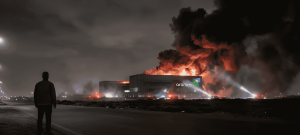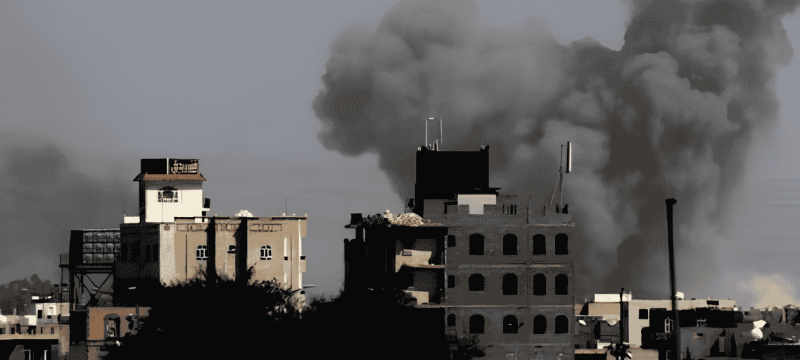
Thirteen civilians were injured after Houthi missile and drone attacks targeted several Saudi cities.
The attacks reportedly hit Khamis Mushait, Abha and Taif. Gulf media outlets reported the incidents and damage.
Saudi authorities said civilian areas were targeted during the attacks. Seven residential buildings and two vehicles were reportedly damaged.
Major General Turki Al-Malki provided details about the attacks. He is the spokesperson for the Saudi-led coalition supporting Yemen’s constitutional government.
Al-Malki said the Houthis used ballistic missiles and drones. He confirmed that 13 civilians suffered minor to moderate injuries.
The attacks caused damage to civilian property in populated areas. Saudi authorities described the incidents as a continued threat to civilians and infrastructure.
Al-Malki said Saudi Arabia would respond firmly to protect its territory. He also stressed the need to protect civilians and civilian facilities.
The response would follow the right to self-defense under international law. Al-Malki cited Article 51 of the United Nations Charter.
He also said any action would comply with international humanitarian law. The coalition plans to take necessary military measures against further attacks.
The latest incidents come during renewed tensions involving Yemen and Saudi Arabia. They also add to wider security concerns across the region.
The Red Sea and Gulf region has faced growing maritime and security risks. Recent incidents have also raised concerns about international energy supplies.
Separately, an oil tanker reportedly struck a sea mine in the Strait of Hormuz. The incident caused a major fire aboard the vessel.
Iran’s Islamic Revolutionary Guard Corps reported the incident. It said the tanker was sailing through the southern part of the strategic waterway.
The vessel was identified as Algaya by Iran’s Fars news agency. The agency cited information from the IRGC Navy.
Iranian authorities said efforts to control the fire were unsuccessful. Flames later spread across the tanker, according to the report.
The IRGC said the vessel had entered a restricted maritime area. It also said warnings had previously been issued about the route.
Iranian officials reiterated their control over the Strait of Hormuz. They said the waterway remains under their supervision.
The Strait of Hormuz is a major global route for oil shipments. Any disruption there could affect energy markets worldwide.
The latest incidents have therefore increased concerns about regional security. They could also create further pressure on global oil transportation.
The strike on Saudi cities and the tanker incident highlight rising regional risks. Both developments involve important security and trade routes.
The situation remains closely watched as tensions continue across the wider region. Further military or maritime incidents could affect international markets.
The reported strike also underlines the continuing threat faced by civilian areas. Authorities have warned that additional measures may follow if attacks continue.
Meanwhile, the Strait of Hormuz incident has added another layer of concern. The waterway remains vital for global energy transportation.
The developments show how regional conflicts can create wider security and economic risks. Governments and energy markets are monitoring the situation closely.
In other news read more about: Russian Drones And Missiles Strike Ukraine Ahead of Zelenskiy-Trump Meeting