

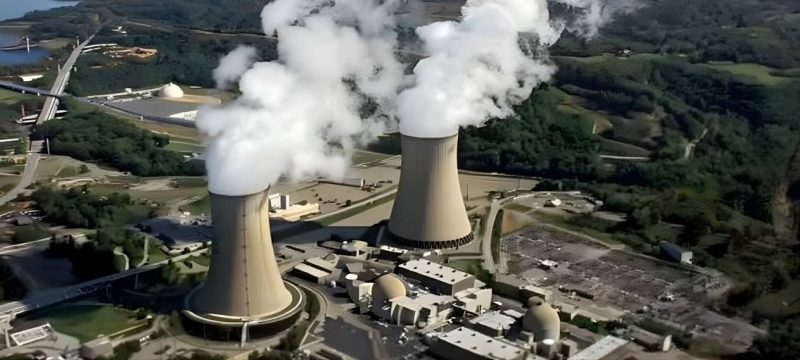
Japan has restarted the Kashiwazaki-Kariwa nuclear power plant, the world’s largest, for the first time since the 2011 Fukushima disaster. The restart comes as the country seeks to expand nuclear energy to meet growing electricity needs and reduce reliance on fossil fuels.
The Tokyo Electric Power Company (TEPCO) confirmed the plant was restarted at 19:02 local time. Only one of the plant’s seven reactors has resumed operations so far. TEPCO said it will carefully monitor the facility and address any issues transparently.
The decision follows approval from the regional governor last month, although public opinion in Japan remains sharply divided. A recent survey showed around 60 percent of residents near the plant oppose the restart, while 37 percent support it. Some locals voiced concerns about safety, fearing a repeat of past accidents.
Protesters gathered near the plant, braving freezing temperatures to demonstrate against the restart. Residents cited risks from earthquakes, inadequate evacuation plans, and past TEPCO cover-up scandals. Many remain anxious despite extensive safety upgrades, including a 15-meter-high tsunami wall and improved emergency power systems.
Japan’s government supports the restart to diversify its energy mix. Prime Minister Sanae Takaichi highlighted nuclear energy as vital for achieving carbon neutrality by 2050. Currently, Japan imports most of its fossil fuels, and nearly 70 percent of electricity in 2023 came from coal, gas, and oil. The government aims to reduce this share to 30–40 percent while increasing nuclear and renewable energy.
Since the Fukushima shutdown, 14 reactors across Japan have resumed operation under strict safety regulations, with 13 running as of mid-January. Kashiwazaki-Kariwa is TEPCO’s first restart since the disaster. TEPCO also operates the Fukushima Daiichi plant, which is still being decommissioned.
In other news read more about: Indian Air Force Jet Crashes in Prayagraj – Investigation Underway
Japan faces the dual challenge of maintaining energy supply while ensuring public safety. The nuclear restart is part of a broader plan to have nuclear power account for around 20 percent of Japan’s energy by 2040, up from 8.5 percent in 2023–24. Officials emphasize that safety checks and monitoring will continue as the nation balances energy needs with public concerns.