

Qatar has announced that it will not allow the United States to use its airspace or military bases for operations against Iran. The statement highlights Qatar’s neutral stance amid rising regional tensions.
The decision comes as conflicts escalate in the Middle East following recent military actions involving Iran, the U.S., and allied countries. Officials in Doha emphasized that Qatar aims to avoid becoming directly involved in the hostilities.
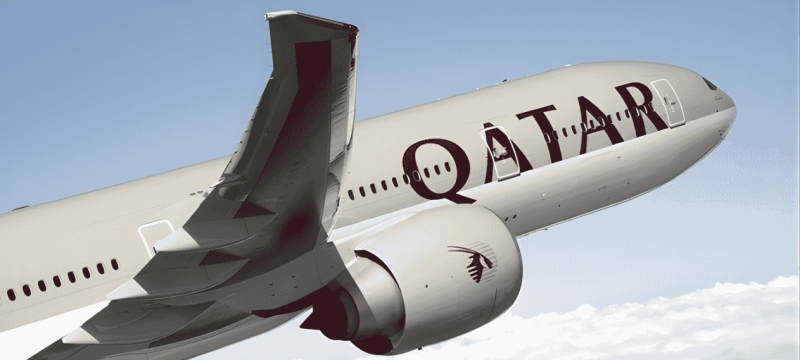
By denying access to its airspace, Qatar prevents U.S. aircraft from flying over the country for potential strikes or surveillance missions. The move is expected to influence military planning in the region.
Qatar hosts several foreign military installations, including U.S. bases. However, authorities stated that these facilities will not be used for operations targeting Iran. The decision underscores the country’s efforts to maintain diplomatic neutrality.
Analysts note that airspace restrictions can complicate logistics for military operations. Without access to Qatari airspace, aircraft may need to take longer routes, potentially affecting timing and fuel requirements for regional missions.
The announcement is also likely to impact ongoing negotiations and coordination among U.S. allies. Several countries in the Gulf have offered limited support for military measures against Iran, while others prefer diplomatic solutions.
Qatar’s government stressed that the decision is not an indication of hostility toward the United States. Instead, officials aim to prioritize regional stability and avoid escalation.
The U.S. has not publicly responded to Qatar’s statement, but military experts say alternative routes and coordination with other allied airbases are likely being considered.
Regional observers believe Qatar’s stance may influence other Gulf states’ policies regarding foreign military access. The country has historically maintained neutrality during regional conflicts, balancing ties with both Western and neighboring Middle Eastern nations.
In conclusion, Qatar’s refusal to allow U.S. use of its airspace highlights the delicate geopolitical situation in the Gulf. It reflects the challenges of coordinating military operations while respecting national sovereignty and maintaining regional stability.
In other news read more about: Qatar and Gulf States Reopen Airspace Following Iranian Missile Strikes