


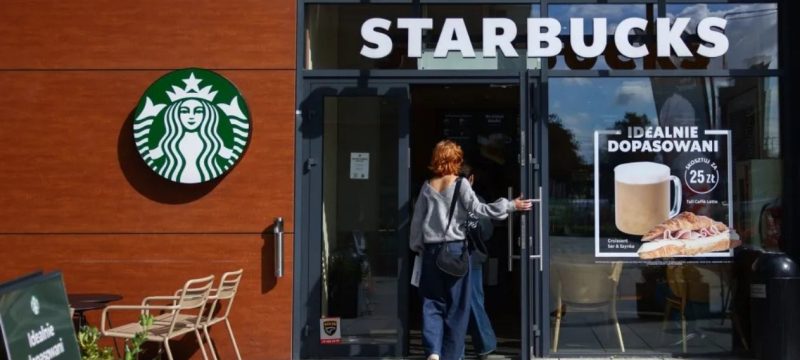
Global coffee giant Starbucks has announced the closure of hundreds of its outlets across major US cities following declining sales and rising operational costs.
Originally founded in Seattle, Starbucks expanded aggressively into urban centers like New York City and Los Angeles, targeting busy commuters. However, increased competition, the rise of remote work, and high city-center costs have forced a strategic rethink.
CEO Brian Niccol revealed that roughly 400 stores nationwide will close as part of a $1 billion restructuring plan. In New York alone, 42 locations have been shuttered. Reports indicate that Starbucks has lost its top position to Dunkin’ Donuts in cities including Manhattan, Chicago, San Francisco, Minneapolis, and Baltimore.
Independent cafés and changing consumer habits are key factors behind the closures. Howard Schultz, former Starbucks executive, also highlighted safety issues and public restroom concerns as challenges for urban outlets.
Niccol is now repositioning Starbucks as a refreshed “third place” between home and work. The company is shifting growth toward suburban areas with drive-through locations, where operating costs are lower.
The restructuring plan includes remodeling around 1,000 US stores and opening new ones in 2026 with updated designs. The aim is to revive the brand, enhance customer experience, and regain market share after recent losses.
Analysts suggest that Starbucks’ move reflects broader trends in urban retail, where changing commuter patterns and increasing competition force major brands to rethink their strategies.
Despite closures, Starbucks remains committed to providing consistent quality coffee and innovative offerings. The company expects that focusing on suburban and drive-through stores will cater to evolving customer preferences while controlling expenses.
In other news read more about China Sanctions US Defence Firms Over Taiwan Arms Deal
With these changes, Starbucks hopes to strengthen its position in the US market and adapt to shifting urban and suburban dynamics, balancing profitability with customer convenience.