


TEHRAN – Iran has announced the reopening of the Strait of Hormuz for all vessels for a temporary period of two weeks. The decision follows the United States’ recent ceasefire announcement and efforts by Pakistan to mediate between the two nations.
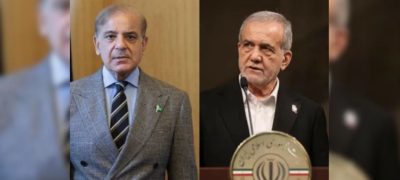
Iranian Foreign Minister Abbas Araghchi thanked Pakistan’s Prime Minister Shehbaz Sharif and Chief of Defence Staff Field Marshal Syed Asim Munir for their pivotal role in facilitating the ceasefire. He emphasized that Pakistan’s intervention helped reduce regional tensions and paved the way for safe navigation in the Strait of Hormuz.
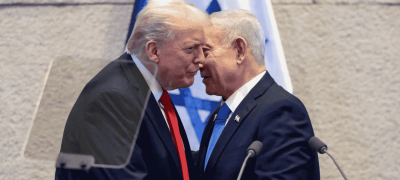
Araghchi stated that Iran accepted the US request for negotiations after reviewing a 15-point plan proposed by Prime Minister Sharif. US President Donald Trump has reportedly agreed in principle to a broader framework based on Iran’s 10-point proposals.
The Iranian Supreme National Security Council has instructed the military to halt defensive operations, provided no attacks occur. Armed forces will oversee security measures, ensuring safe passage through the Strait of Hormuz for all commercial and civilian vessels during this period. Technical conditions, such as specific navigation routes, will be enforced to maintain safety.
This temporary reopening of the Strait of Hormuz is significant for global energy markets, as it allows uninterrupted transit of oil tankers and trade vessels. Analysts say the move could stabilize regional shipping lanes and ease international concerns over supply disruptions.
Pakistan’s diplomatic efforts in this situation highlight its growing role in conflict resolution and regional peace initiatives. Officials believe that the successful mediation could strengthen Pakistan’s influence in Middle Eastern diplomacy.
In other news read more about Iran Announces Reopening of Strait of Hormuz Following Ceasefire
Both Tehran and Washington have agreed to continue dialogue in the coming weeks. Observers expect that further negotiations may lead to longer-term stability in the region, potentially extending safe navigation in the Strait of Hormuz beyond the two-week period.