

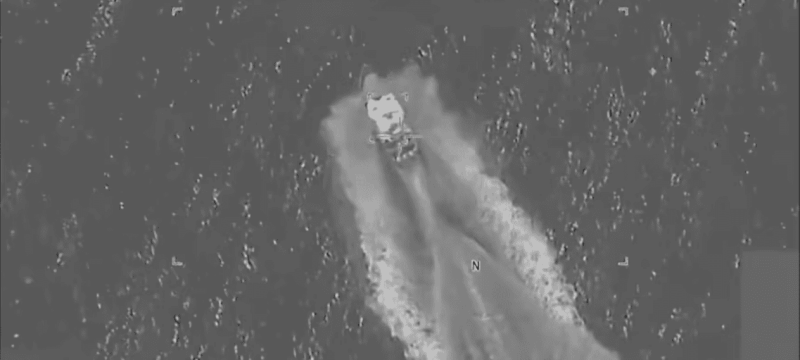
The US military has conducted multiple operations in the Eastern Pacific targeting vessels involved in narco-trafficking. According to US Southern Command, intelligence confirmed that the boats were traveling along known drug-smuggling routes.
A total of eight male suspects were killed in three separate US strikes—three on the first vessel, two on the second, and three on the third. Video footage released by the military shows the boats floating before being hit by precision strikes.
Since early September, US strikes have destroyed at least 26 narco-trafficking vessels in the Caribbean Sea and Eastern Pacific. These actions have resulted in the deaths of at least 95 people, according to the Pentagon.
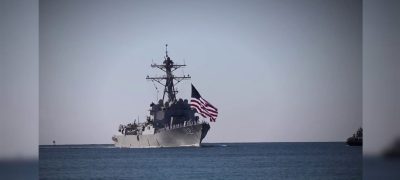
The operations come alongside a major US military buildup in the Caribbean, which includes the deployment of the world’s largest aircraft carrier and several warships. US officials, including Pentagon chief Pete Hegseth, insist that the operations aim to combat illegal drug smuggling.
However, the strikes have sparked controversy. In one instance, survivors of a first attack on a vessel were killed when a second strike was launched on the same boat. Critics have questioned the legality of this second strike, suggesting it may constitute a war crime. Hegseth clarified that he did not authorize the follow-up strike, attributing the decision to US Admiral Frank Bradley.
Venezuelan President Nicolas Maduro has voiced suspicion, claiming that the US strikes could serve as a pretext for regime change in Caracas. Despite the political tension, US military officials maintain that the focus of the strikes remains targeting narco-trafficking networks threatening regional security.
US strikes in the Eastern Pacific highlight ongoing efforts to intercept illegal drug shipments, reflecting an intensified approach to combating transnational criminal organizations.
In other news read more about:Pakistan Reveals Details of Retaliatory Strikes, Says India Requested Ceasefire