


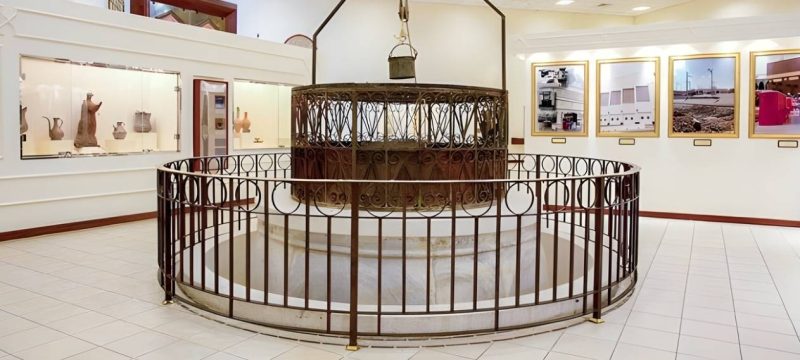
The Zam Zam well, located close to the Kaaba in Makkah, remains one of the most important sites in Islam. It is situated about 21 meters from the Kaaba and holds deep religious and historical value for Muslims around the world.
For nearly 5000 years, the Zam Zam well has continued to supply clean drinking water. Millions of pilgrims and visitors benefit from this water every year. It is especially important during Hajj and Umrah, when large numbers of people gather in Makkah.
The water from Zam Zam is known for its purity and unique taste. It contains natural minerals that make it different from regular water. Despite its long history, the well has remained free from insects and contamination.
According to available information, the well is around 31 meters deep. It is fed by two natural underground springs. These springs help maintain a steady flow of water throughout the year. This continuous supply has made the well a symbol of reliability and blessing.
Authorities in Saudi Arabia carefully manage and protect the site. Modern systems are used to ensure that the water remains clean and safe for consumption. The distribution process is also well organized to handle the large number of visitors.
Access to Zam Zam water is made easy for pilgrims. Water is provided through designated points within the المسجد الحرام (Masjid al-Haram). Bottled water is also distributed to ensure convenience and hygiene.
Experts note that maintaining the quality of Zam Zam water is a top priority. Regular testing and monitoring are carried out to meet safety standards. These efforts help preserve the well for future generations.
The historical and spiritual importance of the Zam Zam well continues to attract attention worldwide. It represents a unique combination of faith, history, and natural resources.
In other news read more about: Saudi Arabia Hosts 1.68 Million Umrah Pilgrims in Ramadan 2026
Overall, the Zam Zam well remains a remarkable source of water. Its continuous supply for thousands of years highlights its significance in Islamic tradition.