


Indonesian rescuers have discovered the wreckage of a missing ATR 42-500 plane near Mount Bulusaraung in South Sulawesi. The aircraft, used for fisheries surveillance, went missing on Saturday afternoon.
The plane crash involved 11 people, including eight crew members and three staff from the Ministry of Marine Affairs and Fisheries. The ATR 42-500 was traveling from Yogyakarta to Makassar when contact was lost near Maros around 1:30 p.m. local time.
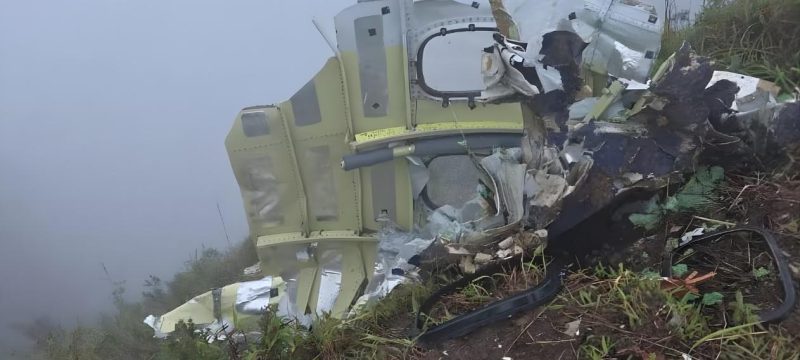
On Sunday morning, search teams located debris scattered across the mountain, including parts of the fuselage, the tail, and a plane window. Officials said thick fog and strong winds are making recovery operations difficult.
South Sulawesi’s rescue agency has deployed 1,200 personnel, including military helicopters, drones, and ground teams. The main priority is locating survivors and safely evacuating victims. Steep terrain and low visibility have complicated the operation. Reports from hikers indicate small fires and scattered debris at the suspected crash site.
Flightradar24 data shows that the ATR 42-500 was flying low over the ocean before it rapidly lost altitude about 20 kilometers northeast of Makassar Airport. The plane, manufactured by ATR, is a regional turboprop capable of carrying 42–50 passengers.
Indonesia’s National Transportation Safety Committee has begun an investigation into the plane crash. While the cause is still unknown, aviation experts note that accidents often result from multiple factors. ATR specialists are assisting with the investigation.
In recent years, Indonesia has experienced several transportation accidents, often linked to safety enforcement and regulatory challenges. Authorities say lessons from past incidents are being applied to improve both rescue operations and aviation safety standards.
In other news read more about: British Navy Unveils Unmanned Helicopter for Maritime Surveillance
The plane crash has drawn attention to the challenges of operating in mountainous and foggy regions. Officials continue to coordinate search and rescue efforts while ensuring the safety of responders.