


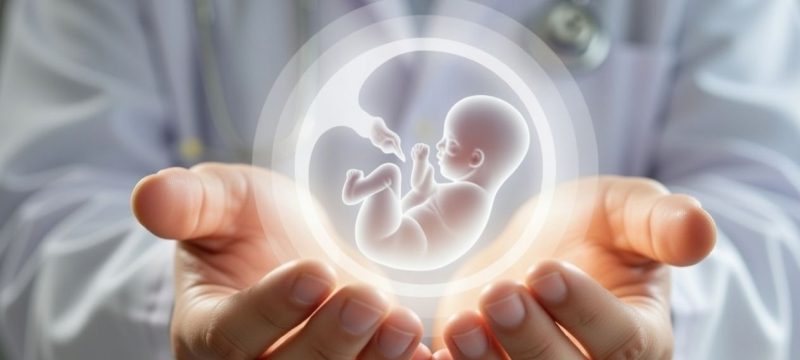
Scientists have confirmed that children leave a permanent biological imprint on their mother’s body. A child’s cells can remain in the mother’s brain, heart, and other organs for life. This phenomenon is called microchimerism.
Research shows that these cells are not dormant. They actively contribute to repairing tissues, fighting diseases, and protecting the mother’s body. Scientists say this creates a literal, physical connection between a mother and her children.
When mothers “feel” a bond with their **children,” it may be explained by these lingering cells. This connection is more than emotional; it is biological. The child’s cells can influence the mother’s immune system and overall health.
Experts explain that microchimerism can help the mother recover from illnesses. In some cases, the presence of a child’s cells may even reduce the risk of certain cancers. Researchers continue to study the long-term impact of these cells on maternal health.
This discovery also sheds light on the extraordinary ways children influence their mothers beyond birth. It provides scientific evidence for the deep and lasting bond that many mothers report feeling. The presence of a child’s cells in vital organs explains why this connection is lifelong.
Scientists stress that this finding does not mean every health outcome is directly linked to a child’s cells. However, it highlights the profound biological connection between mothers and children. It also opens new avenues for medical research in tissue repair, immunity, and maternal health.
In other news read more about: Pakistani Students Create Country’s First AI Lawyer
The study of microchimerism underscores the incredible complexity of human biology. It shows that children remain a part of their mothers in more ways than previously imagined. Scientists hope that further research will reveal how these cells can be used to improve health outcomes for women worldwide.