


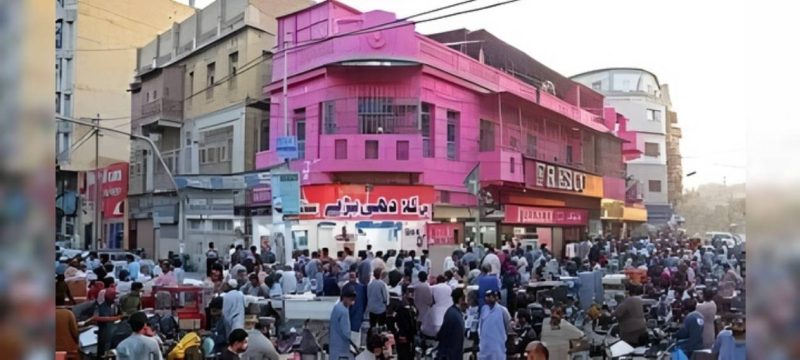
KARACHI: As Ramadan evenings descend, the streets of Karachi come alive with the sights, sounds, and smells of iftar. Crowds of office workers, families, and young people flock to the city’s famous Burns Road.
Burns Road is more than just a food street. It is a historic hub of Karachi’s culinary and cultural heritage. At iftar, the street transforms into a bustling communal table, where tradition and flavour meet.
A staple here is chana chaat. Boiled chickpeas are mixed with onions, tomatoes, green chillies, coriander, tamarind sauce, and chaat masala. Food historians trace chaat to northern India, where tangy and spicy dishes were served in summer. On Burns Road, customers queue patiently for plates of chana chaat or fruit chaat topped with fresh cream.
Dahi baray, lentil dumplings in sweetened yoghurt with red chilli and roasted cumin, are another popular treat. Some prefer the Delhi-style version, while others head to Waheed Kabab House. The dish dates back to the Mughal era and offers a cooling taste after fasting.
The aroma of fried jalebi, pakoras, and samosas fills the air. Street vendors sell pani puri, crisp shells with spiced potatoes and chickpeas dipped in sweet and tangy water. These foods have long been a part of Karachi’s urban culture.
For heartier meals, Burns Road’s biryani is unmatched. Large cauldrons simmer rice and meat with aromatic spices. Fried fish with chutney and Arabian paratha with minced meat or curry reflect the city’s diverse heritage.
Burns Road dates back to the British colonial era and was named after Scottish poet Robert Burns. Over decades, it became a melting pot of ethnic and cultural communities, each adding unique flavours.
In other news read more about Khamenei Killed Sparks Protests and Clashes in Karachi
During Ramadan, this diversity comes together. From chana chaat to biryani, dahi baray to jalebi, Burns Road becomes a symbol of shared joy, history, and the vibrant heartbeat of Karachi.