


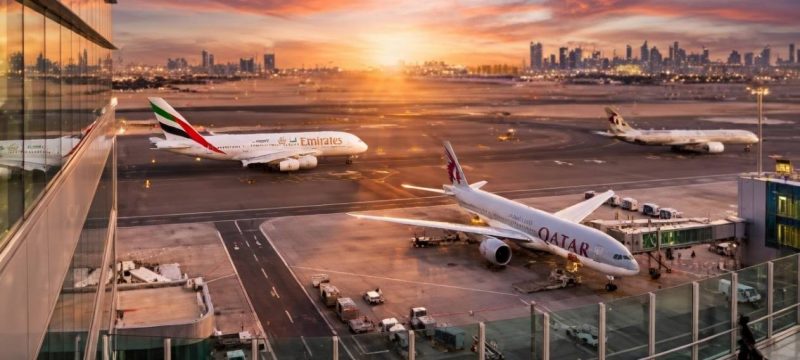
Air travel across the Middle East remains under pressure as major routes face disruption. Flights linked to the UAE and nearby hubs like Doha are affected. Thousands of passengers are facing delays, cancellations, and uncertainty.
Airlines have reduced or suspended services due to ongoing safety concerns. Repeated airspace disruptions have forced companies to change schedules. This has created challenges for travelers across multiple continents.
Several international carriers have taken strict measures. Greece’s Aegean Airlines has stopped flights to Tel Aviv completely. It has also suspended routes to Beirut and Amman until April 22. Flights to Dubai, a key UAE hub, remain halted until April 19.
Air Baltic has also expanded its cancellations. The airline has stopped Dubai services until October 24. Air Canada has canceled flights to Tel Aviv until May 2. Its Dubai routes are also paused until late March.
Spain’s Air Europa has suspended all Tel Aviv flights until April 10. Many airlines are adjusting operations daily based on the situation. These changes continue to affect passengers traveling through the region.
The UAE aviation sector is also facing limitations. Emirates is operating on a reduced schedule after partial airspace reopening. Etihad Airways is running limited services from Abu Dhabi to selected destinations.
Air France has also reduced its operations in the region. Flights to Dubai and Riyadh were temporarily halted. Several routes are expected to remain suspended into April. These decisions reflect ongoing instability in regional airspace.
US-based Delta Air Lines has canceled Tel Aviv routes for an extended period. Return flights are also suspended for months. The airline has delayed restarting key routes due to safety concerns.
Asian airlines are also impacted by the situation. IndiGo has suspended flights to several Gulf destinations until March 28. Japan Airlines has canceled Tokyo-Doha services for several days.
Other carriers, including Finnair and Malaysia Airlines, are also facing disruptions. Flight schedules continue to change as the situation evolves.
Passengers are advised to check flight updates regularly. Airlines are urging travelers to stay informed before departure. Flexible booking options are being offered in many cases.
The current situation highlights the impact of regional tensions on global travel. The UAE remains a major transit hub, making disruptions more significant. Authorities continue to monitor developments closely.
In other news read more about: Lusail Towers Lit Up To Celebrate Pakistan Day
For now, travelers should prepare for possible delays and cancellations. Careful planning can help reduce inconvenience during this uncertain period.