


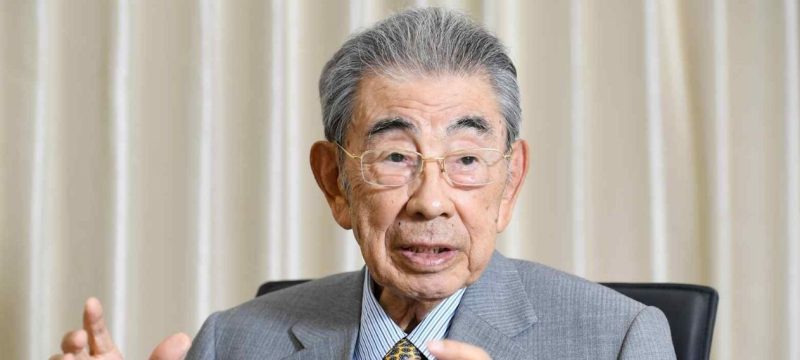
Tokyo: Toshifumi Suzuki, the founder of Seven-Eleven Japan and a key figure in modern retail, has died at the age of 93. He passed away due to heart failure on May 18, according to Seven & i Holdings.
Suzuki is widely recognized as a pioneer who transformed the convenience store industry in Japan. His innovations reshaped how people shop and eat in daily life across the country.
Born in Nagano in 1932, Suzuki began his career at a book wholesaler. He later joined Ito-Yokado in 1963, marking the start of his retail journey.
In 1973, he partnered with the U.S. company Southland Corp to establish Seven-Eleven Japan. The first store opened in Tokyo the following year, changing retail culture in the country.
At a time when the concept faced skepticism, Suzuki introduced a new business model. He focused on data-driven inventory systems and quick product turnover. This approach helped Seven-Eleven Japan grow rapidly.
He also emphasized ready-to-eat meals, which became a core part of convenience store culture in Japan. His strategy turned small stores into essential daily service points for millions of customers.
Over time, Suzuki’s work helped reshape the retail landscape across Japan. Convenience stores became a central part of urban and rural life.
In the early 1990s, he played a major role in restructuring Southland Corp. The company had faced bankruptcy due to heavy debt after a leveraged buyout.
Suzuki later established Seven & i Holdings in 2005. He expanded the company into a global retail group with strong influence in the market.
Although he stepped down as chairman in 2016 following a management dispute, he remained an important figure in Japan’s retail sector.
Industry experts credit Suzuki with revolutionizing convenience retail in Japan. His methods continue to influence modern store operations and supply chain systems.
In other news read more about Japan Issues Earthquake Warning After Strong 7.5 Magnitude Tremor
His legacy remains deeply connected to the growth of Japan’s convenience store culture. Many consider him one of the most influential business leaders in Japan’s modern economic history.