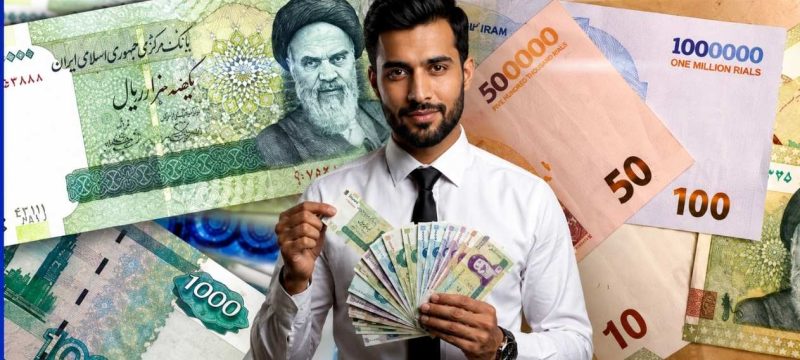
Iranian Rial has suffered a sharp decline against the Pakistani rupee, losing nearly half of its value within a few weeks. The latest exchange figures show that 10 million Iranian rials, commonly referred to as one crore rials, are now worth only Rs4,500 to Rs5,000 in Pakistan’s open market.
The latest data released by the Central Bank of Iran (CBI) shows continued pressure on the country’s currency. According to the official exchange rate, 100 Pakistani rupees equal 509,182 Iranian rials, which means one Pakistani rupee is worth around 5,092 Iranian rials.
The weakening value of the Iranian Rial is even more noticeable in Pakistan’s currency market. During June, one crore Iranian rials could be exchanged for around Rs8,000 to Rs9,000. However, the same amount is now valued at only Rs4,500 to Rs5,000, reflecting a significant decline in just a short period.
The Central Bank of Iran also reported changes in the country’s exchange rates against major international currencies. The official rate currently stands at 1,414,300 Iranian rials per US dollar. Meanwhile, the dollar is trading between 1.92 million and 1.95 million rials in Iran’s open market, highlighting the growing gap between official and market exchange rates.
According to the latest figures, the Iranian Rial has weakened against 44 international currencies, including the US dollar and the euro. Only two foreign currencies recorded declines during the same period. The broad-based depreciation indicates continued pressure on Iran’s financial system.
Economic experts say several factors are contributing to the currency’s decline. International sanctions, economic uncertainty, inflation, and regional tensions have all increased pressure on Iran’s economy. These challenges have affected investor confidence and reduced the purchasing power of the national currency.
The sharp fall in the value of the rial has also increased the cost of imported goods and placed additional pressure on households. As the local currency weakens, consumers often face higher prices for essential products and services. Businesses that rely on imported materials may also experience rising operating costs.
Currency fluctuations are closely watched because they directly affect trade, investment, and consumer spending. A weaker national currency can make exports more competitive, but it also increases the cost of imports and foreign debt. For many families, continued depreciation can reduce overall purchasing power and create additional financial difficulties.
Financial analysts believe the future performance of the Iranian Rial will largely depend on economic stability, government policies, international relations, and market confidence. Until those conditions improve, the currency may continue to face pressure in both domestic and international markets.
In other news read more about: Gold Prices In Pakistan Surge To Rs 430,000 Per Tola Following Global Market Rally
The latest exchange figures highlight the challenges facing Iran’s economy as policymakers work to stabilize the currency and reduce the impact of inflation and economic uncertainty on businesses and households.