


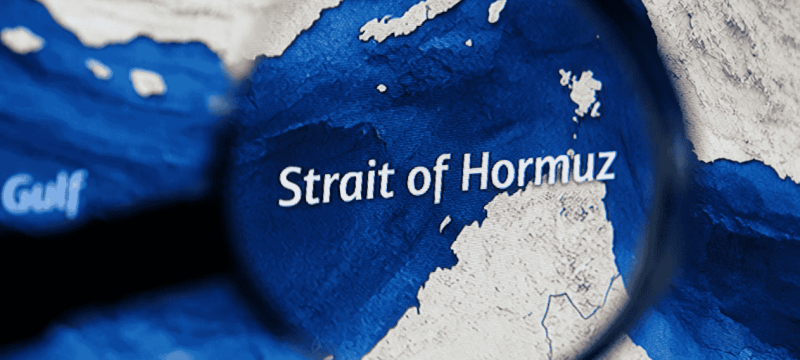
Iran has announced that non-hostile ships will be allowed to safely pass through the Strait of Hormuz. The move comes amid rising tensions in the region involving the United States and Israel.
In a statement issued by Iran’s mission to the United Nations, officials said non-hostile ships can transit the vital waterway if they follow security protocols. Vessels must avoid any aggressive actions and coordinate with Iranian authorities during passage.
However, Iran did not provide detailed guidelines about the exact procedures. Analysts say the lack of clarity may create uncertainty for global shipping companies. Still, the announcement signals a controlled reopening of the strategic route.
The Strait of Hormuz is one of the world’s most important energy corridors. Nearly 20 percent of global oil and liquefied natural gas shipments pass through it. Any disruption in the strait can have a direct impact on global energy prices and supply chains.
Since the conflict escalated, maritime traffic in the region has dropped sharply. Before the crisis, about 120 ships passed through the strait daily. On Monday, only five vessels were recorded, reflecting a major slowdown. This decline has affected trade flows and raised concerns among energy markets.
Iran’s decision to allow non-hostile ships aims to ease some of these pressures. Experts believe the step could help restore limited shipping activity. However, risks remain due to ongoing geopolitical tensions.
Market analysts warn that prolonged disruption could push oil prices between $150 and $200 per barrel. Even with this announcement, traders remain cautious about the stability of the route.
Meanwhile, reports of possible diplomatic progress have influenced global markets. Asian stock markets showed gains, and Brent crude prices saw a temporary dip. Despite this, Iran has denied claims of direct negotiations with the United States.
The situation in the Strait of Hormuz remains uncertain. While non-hostile ships may now pass under certain conditions, global markets continue to watch developments closely.
In other news read more about: Iran Clarifies Strait of Hormuz Status, Says Ships And Tankers Refuse Passage