

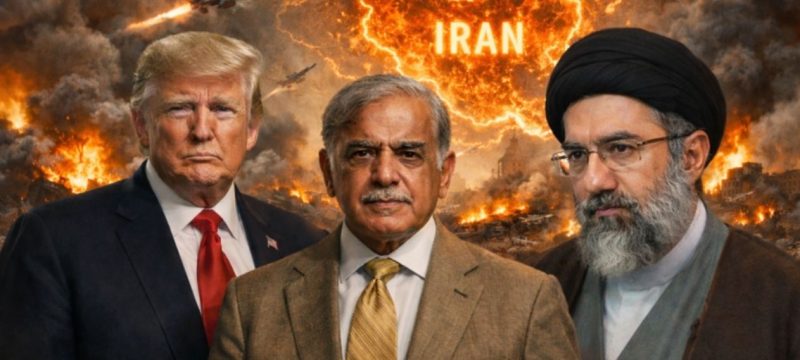
ISLAMABAD: Diplomatic efforts to reduce tensions between the United States and Iran have slowed after Tehran declined to join proposed talks in Islamabad. The situation has raised concerns about regional stability and global energy markets.
According to reports released on Friday, mediation attempts led by Pakistan have reached a standstill. Despite several back-channel communications, Iran has not formally responded to proposals for a cease-fire or direct negotiations.
Officials said that the ongoing conflict between the United States and Iran has intensified in recent weeks. Military exchanges have increased, including reports of U.S. fighter jets being shot down during the confrontation.
Sources involved in diplomacy said Washington had earlier proposed a 48-hour cease-fire through a friendly third country. The proposal aimed to create a brief pause in hostilities and open the door for negotiations.
However, Iran reportedly informed mediators that it would not meet American representatives in Islamabad. Iranian authorities described Washington’s demands as unacceptable and insisted that current conditions do not support direct talks.
The cease-fire proposal came after reports of a strike targeting a U.S. military depot on Bubiyan Island in Kuwait. The attack added to rising tensions in the region and complicated diplomatic efforts.
Despite international pressure, Iran did not send a written reply to the cease-fire plan. Instead, reports indicate that military activity in the region continued.
Meanwhile, former U.S. president Donald Trump claimed that Iran had approached Washington to request a cease-fire. Iranian officials strongly rejected this claim and said no such request had been made.
As the conflict enters its second month, global markets are feeling the impact. Analysts warn that tensions involving Iran could disrupt key energy routes.
In particular, Iran controls the strategic Strait of Hormuz, one of the world’s most important shipping corridors for oil and natural gas. Any disruption in this area could affect global energy supplies and transportation.
In an effort to calm the situation, China and Pakistan recently introduced a five-point peace proposal. The plan calls for an immediate halt to attacks on civilians and non-military infrastructure, including power facilities and desalination plants.
At the same time, Iran has outlined its own conditions for peace. Tehran demands a complete withdrawal of U.S. forces from military bases across the Middle East. It has also asked for compensation for damage to civilian infrastructure such as schools and hospitals.
Several regional countries are also exploring mediation options. Turkey and Egypt are considering diplomatic steps due to their ties with Washington.
However, reports suggest that Qatar has resisted pressure from the United States and its allies to formally take on the role of mediator.
In other news read more about Trump Hints at US Withdrawal from NATO Amid Conflict
Observers say the coming weeks will be crucial. Diplomatic engagement may determine whether the crisis involving Iran moves toward negotiations or continues to escalate.