

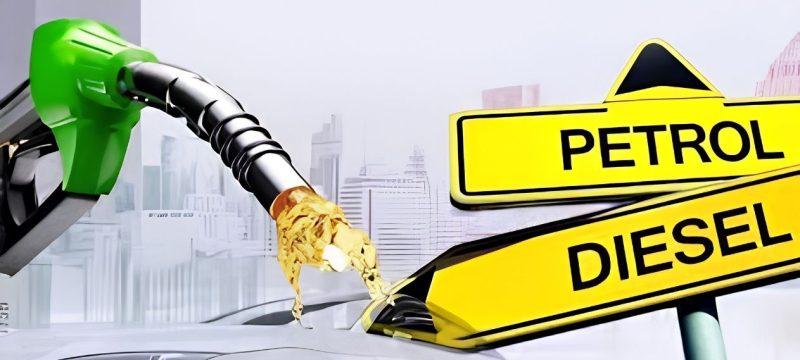
Fuel Prices in Pakistan have increased sharply, with consumers now paying a large portion in taxes. Recent official data shows that more than Rs. 150 per litre is charged in taxes and margins on petrol. This has raised concerns among motorists and businesses.
The government recently approved a price hike for both petrol and diesel. Petrol increased by Rs. 6.51 per litre, while diesel rose by Rs. 19.39 per litre. Petrol now costs Rs. 399.86 per litre, and diesel stands at Rs. 399.58 per litre. These Fuel Prices reflect both global trends and domestic policy decisions.
A detailed breakdown shows that petrol carries heavy taxes and charges. Around Rs. 153.55 per litre comes from combined taxes, levies, and margins. The largest share is the petroleum levy, which is about Rs. 103.50 per litre. This makes it the biggest contributor to Fuel Prices in the country.
Other charges also add to the total cost. A customs duty of Rs. 23.72 per litre is included. There is also a Rs. 2.50 climate support levy. These components increase the financial burden on consumers.
In addition to taxes, operational costs play a role. Inland freight charges are about Rs. 17.14 per litre. Oil marketing companies earn around Rs. 7.87 per litre. Petrol pump dealers receive a commission of Rs. 8.64 per litre. Together, these margins push Fuel Prices even higher.
Overall, taxes make up about 32 percent of the final petrol price. This means a large portion of what consumers pay is not the actual fuel cost. Instead, it goes toward government revenue and supply chain expenses.
Diesel pricing follows a similar pattern but with some differences. Consumers pay around Rs. 116.46 per litre in taxes and margins on diesel. This includes Rs. 51.62 per litre in customs duty and Rs. 28.69 as petroleum levy. The same Rs. 2.50 climate levy also applies.
Freight and distribution costs are lower for diesel compared to petrol. Inland freight is about Rs. 4.37 per litre, while company profit and dealer margin remain similar. Taxes account for about 21 percent of diesel prices.
In other news read more about Sindh Government Announces Petrol Relief Package to Support Citizens Amid Rising Fuel Prices
High Fuel Prices continue to impact transport and industry sectors. Experts say rising costs may affect inflation and daily expenses. The situation highlights the need for balanced pricing policies in the future.