

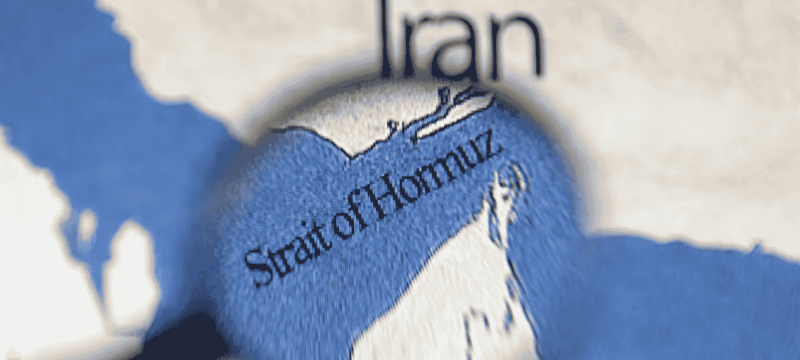
The Strait of Hormuz has once again become a center of global tension. The latest developments have intensified concerns over regional stability. Iran has strongly rejected the US-led Freedom Strategy, calling it ineffective and dangerous.
Iranian Foreign Minister Abbas Araghchi said the crisis cannot be solved through military action. He described the Freedom Strategy as a step that could worsen the situation. According to him, the conflict is political and requires dialogue.
The Freedom Strategy has been introduced by the United States to secure maritime routes. It aims to protect commercial vessels and ensure safe passage through the Strait of Hormuz. However, Iran has labeled the plan as “Project Deadlock,” warning it could escalate tensions.
US President Donald Trump responded with strong remarks. He warned Iran of serious consequences if American ships are targeted. He also stated that US military presence in the region has been increased under the Freedom Strategy.
Recent incidents have added urgency to the situation. The United Arab Emirates reported a drone strike near its Fujairah Oil Industry Zone. The attack caused damage and raised fears of further escalation. At the same time, US forces reported intercepting missiles and drones in the region.
According to US Central Command, several threats were neutralized. These included drones and cruise missiles aimed at both military and commercial vessels. Officials also claimed that Iranian boats were destroyed during the confrontation.
Iran has not confirmed these claims. A senior Iranian military official dismissed reports of losses. This has added uncertainty to the already tense situation.
Pakistan has continued its diplomatic efforts during the crisis. It has helped facilitate communication between key parties. Recently, Pakistan assisted in the transfer of crew members from a detained vessel, showing its active role in mediation.
Global markets have reacted sharply to the ongoing crisis. Oil prices have risen, and investors remain cautious. The situation in the Strait of Hormuz is critical for international trade and energy supply.
Experts warn that continued focus on military solutions like the Freedom Strategy could increase risks. They stress the need for dialogue to prevent further escalation. The coming days will be crucial in determining the future of this conflict.
In other news read more about: Khyber Pakhtunkhwa Announces Interest-Free Loans for Media Startups