


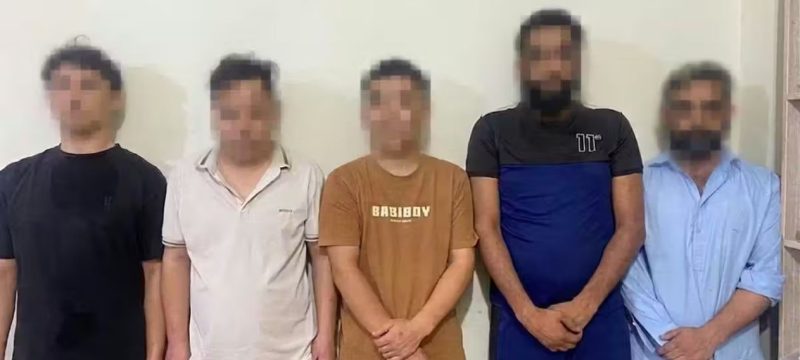
Pakistani authorities have uncovered a shocking Smuggling network involved in illegal human placenta processing in Islamabad. The operation was exposed near Sector F-7 during a joint raid by the Federal Investigation Agency (FIA) and the Human Organ Transplant Authority (HOTA).
Officials arrested five suspects, including three Chinese nationals and two Pakistani citizens. The group is accused of collecting, drying, and preparing human placentas for illegal export to Vietnam.
Investigators said the Smuggling network used fake labels to avoid customs checks. Shipments were reportedly marked as sheep organs or “She Placenta” to hide their real contents.
The placenta is an organ that forms during pregnancy and supports the unborn child. After childbirth, it is usually treated as medical waste. However, in illegal markets, it can be sold for profit.
Authorities believe the suspects collected placentas from hospitals in different Pakistani cities. The material was then transported to Islamabad for processing. During the raid, officials recovered fresh, dried, and processed placental tissue along with machinery.
The case has raised serious questions about how the placentas were obtained. Investigators are checking whether hospital workers or other insiders were involved in the Smuggling operation.
Experts say human placenta is used in some forms of traditional medicine, especially in parts of Asia. It is also found in some cosmetic products. However, such uses are legal only under strict rules.
Illegal trafficking of human tissue carries major health risks. Unscreened tissue may spread diseases like hepatitis, HIV, and syphilis. It also raises serious ethical concerns because mothers may not know their placentas are being sold.
Officials believe this Smuggling case is part of a wider international trafficking network. The use of false labels and hidden exports suggests a planned and organized operation.
In other news read more about Three Chinese, Two Pakistanis Arrested in Islamabad Organ Smuggling Raid
Cases have been registered under Pakistan’s organ transplant laws. Authorities are now expanding the investigation to identify the full supply chain, including hospitals, agents, and overseas buyers.