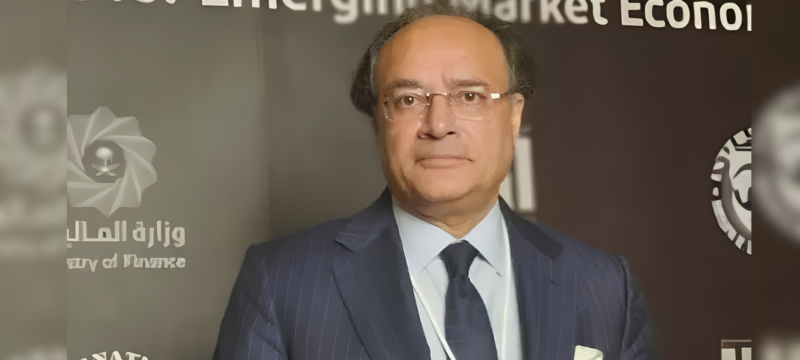
Finance Minister Muhammad Aurangzeb has highlighted improvements in Pakistan’s economy and financial position. He pointed to stronger foreign exchange reserves, better fiscal and external balances, and improved credit ratings.
He also noted Pakistan’s renewed access to international capital markets. These developments indicate progress in stabilising the economy, according to the Finance Minister.
Aurangzeb shared these views during a meeting with institutional investors in Bangkok. Jefferies International organised the roundtable alongside the World Bank Group-IMF Annual Meetings 2026.
The meeting focused on Pakistan’s economic performance, financial reforms, and future investment opportunities. Aurangzeb stressed the need to build on recent gains and achieve sustainable, export-led economic growth.
Finance Minister Discusses Economic Reforms
The Finance Minister said Pakistan must continue implementing reforms to maintain economic stability. He emphasised the importance of increasing exports and supporting long-term economic growth.
Finance Secretary Imdadullah Bosal and State Bank of Pakistan Governor Jameel Ahmad accompanied Aurangzeb during the discussions.
The meeting also covered Pakistan’s progress under the International Monetary Fund (IMF) programme. Participants discussed debt management and possible financing options to meet the country’s financial needs.
These options included Sukuk, additional Panda bond issuance, and tokenization. The discussions focused on expanding financing opportunities and improving access to international capital markets.
Pakistan Explores Investment and Privatization Opportunities
Aurangzeb highlighted opportunities for privatization and stronger private-sector participation. He also discussed the need to expand business-to-business trade and investment.
Improved cooperation between businesses could help attract investment and strengthen commercial ties. The government aims to encourage economic activity through continued reforms and better market access.
The discussions also examined ways to strengthen investor confidence. Stable economic policies and improved financial management remain important for attracting long-term investment.
Finance Minister Outlines Tax Reforms
Aurangzeb discussed several measures aimed at improving Pakistan’s fiscal position. These included expanding the tax base and implementing agricultural income tax.
He also highlighted digital enforcement measures to improve tax compliance. Better coordination between federal and provincial governments was another key area of discussion.
The government aims to improve revenue collection and meet its fiscal targets through these measures. Broadening the tax base could also help reduce pressure on public finances.
Effective implementation will remain important for achieving the expected results. Continued coordination between government institutions will support the reform process.
Energy Security and Regional Risks Discussed
The Pakistani delegation also addressed questions about regional geopolitical developments and their economic impact.
Discussions covered energy security, liquefied natural gas (LNG) obligations, and Pakistan’s economic engagement with the United States and Saudi Arabia.
These issues are important for Pakistan’s external accounts and long-term financial planning. Changes in regional conditions can also affect energy supplies, trade, and investment flows.
The delegation discussed these concerns with institutional investors during the meeting.
Government Reaffirms Commitment to Economic Stability
Aurangzeb reaffirmed the government’s commitment to continuing economic reforms. He also stressed the importance of strengthening investor confidence and maintaining recent financial improvements.
Pakistan’s stronger reserves, improved credit ratings, and access to international capital markets represent progress. However, sustaining these gains will require continued policy implementation and fiscal discipline.
In other news read more about IMF’s Latest Report Warns Pakistan’s Inflation Could Hit Near 10pc in 2027
The government is seeking to build a more stable economy through higher exports, stronger revenue collection, and increased investment. The Finance Minister emphasised that sustainable, export-led growth remains a key economic priority.