RIYADH/TEHRAN: The United States is reassessing security arrangements at its diplomatic missions across the Middle East following intelligence warnings of possible attacks against American personnel, according to reports published on October 24, 2026.
A report by Reuters said US Director of National Intelligence Jay Clayton had warned Secretary of State Marco Rubio in a memo dated October 23 about suspected Iranian operations targeting Americans. Some alleged plots had reportedly progressed beyond the initial planning stages, raising concerns about the safety of US officials at home and abroad.
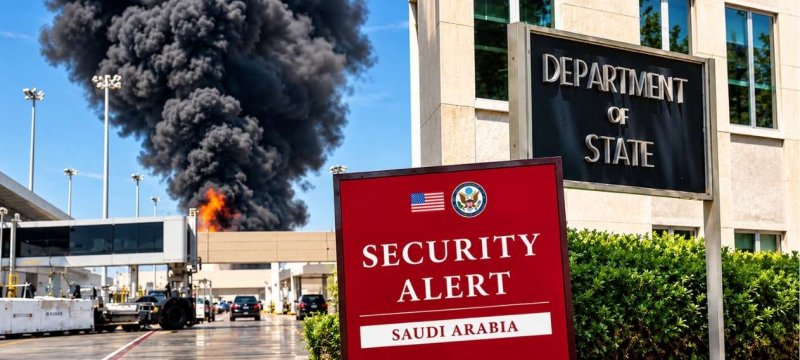
Washington has also ordered non-emergency government personnel and their families to leave Saudi Arabia amid growing regional security concerns. Authorities are reviewing protective measures at other diplomatic missions as they monitor potential threats from Iran and Iran-aligned Houthi forces.
The reported intelligence warnings indicate possible risks, although the available information does not confirm that all suspected operations will result in attacks.
US Embassy in Saudi Arabia Issues Security Alerts
American citizens in Saudi Arabia have been urged to remain alert and follow security instructions issued by US diplomatic authorities.
The warnings come amid concerns about further Houthi attacks and potential disruptions affecting civilian infrastructure and air travel. US officials have also cautioned that the security situation could change quickly.
The departure order for non-emergency personnel and their families reflects concerns about the safety of American government employees in the country.
Saudi Arabia’s airports, energy installations and other critical facilities remain important considerations in regional security planning. Any further escalation could affect commercial flights, business operations and international travel.
Americans living in or visiting the kingdom should check the latest US travel advisory for Saudi Arabia for updated instructions.
Intelligence Warnings Focus on Possible Iranian Operations
The latest concerns follow an intelligence memo reportedly sent by Clayton to Rubio on October 23.
According to Reuters, the memo described increased Iranian efforts to target American personnel and warned that suspected operations against US citizens had reached advanced stages in several locations.
CIA Director John Ratcliffe was also reportedly informed about the assessment.
The warnings have prompted renewed attention to the protection of American officials and diplomatic facilities. However, the precise locations, intended targets and operational details of the suspected plots have not been fully established in publicly available information.
US agencies are continuing to assess the potential threats as officials consider whether further security measures are necessary.
Regional Hostilities Increase Security Concerns
The latest developments come amid wider instability associated with the US-Israel conflict with Iran, which reportedly began in February 2026.
Houthi attacks and concerns about possible Iranian operations have added to the challenges facing governments across the Middle East.
The Strait of Hormuz has also become a major focus of concern because of its importance to global oil shipments and maritime trade. Any disruption to shipping routes could affect energy supplies, transport costs and regional commerce.
Saudi Arabia’s position as a major oil producer and a key US security partner makes developments within the kingdom particularly significant for international markets.
Further escalation could place additional pressure on diplomatic missions, airlines, shipping companies and businesses operating throughout the Gulf.
US Considers Security Measures at Other Embassies
Washington has also reviewed staffing arrangements at diplomatic missions elsewhere in the region.
The Associated Press reported on October 24 that staffing reductions were under way at US embassies in Jordan, Lebanon, Qatar and the United Arab Emirates following concerns about possible Iranian attacks.
The level of security and staffing varies between countries, depending on local conditions and assessments by American authorities.
The reported measures do not necessarily mean that diplomatic missions will close. Instead, reducing the number of personnel in potentially dangerous locations can help limit exposure while essential diplomatic activities continue.
Further changes may depend on new intelligence, developments in the regional conflict and the security situation surrounding individual missions.
Iraq Remains Under a Level 4 US Travel Advisory
Iraq continues to face significant security concerns under US government travel guidance.
The US State Department’s advisory, updated on October 23, maintains a Level 4 classification, the department’s highest travel warning. Americans are advised against travelling to Iraq because of risks including terrorism, kidnapping and armed conflict.
The advisory also highlights concerns linked to regional instability and threats against American personnel.
US citizens in Iraq should review official guidance and follow instructions from local authorities and the US Embassy. Anyone planning travel across the Middle East should check current airline information and embassy notices before departure.
The latest official guidance is available through the US travel advisory for Iraq.
Security Situation Remains Uncertain
American authorities are continuing to assess intelligence reports and review protective arrangements as tensions persist across the Middle East.
Additional staffing changes, travel restrictions or security alerts may follow if officials identify new threats. However, the scale and timing of any further measures remain uncertain.
For American citizens in affected countries, monitoring official embassy announcements and following local security instructions remain important precautions.
In other news read more about: Saudi Coalition Intercepts Four Drones Heading Towards Madinah
The latest warnings underline the challenges facing diplomatic operations and international travel as regional governments respond to evolving security risks.