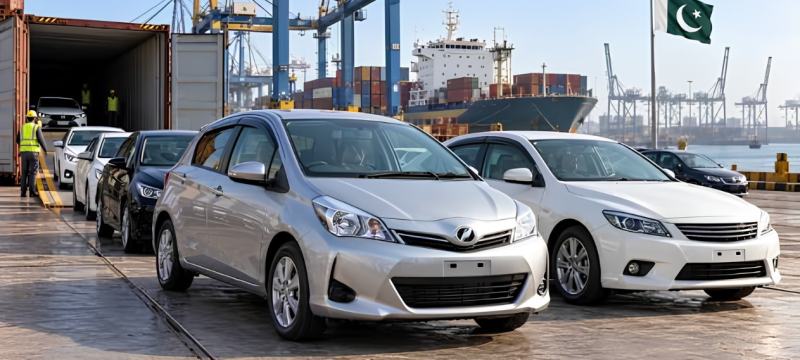
Pakistan’s automobile market may see major changes after the federal government removed the five-year age limit on commercially imported used vehicles. The decision allows registered importers to bring older foreign cars into the country.
The move could expand vehicle choices for Pakistani buyers. It may also increase competition between imported vehicles and locally assembled models.
However, auto experts say consumers should not expect an immediate drop in prices. Heavy import duties and strict regulatory requirements could keep imported vehicles expensive.
Under the revised rules, commercial importers can bring vehicles older than five years. They must still meet applicable import regulations, environmental standards, safety requirements, and inspection conditions.
The removal of the age restriction does not automatically make every Used Car cheaper. Commercial imports remain subject to a 50% regulatory duty.
As a result, the first major change may involve greater competition and more vehicle options. Buyers could gain access to older, larger, and better-equipped imported models.
Planned reductions in import duties may create opportunities for lower prices over time. However, the final impact will depend on import costs and government policies.
The decision also raises questions about domestic manufacturing, market oversupply, and vehicle maintenance expenses. Older imported cars may require additional repairs and replacement parts.
New Automobile Policy Awaits Cabinet Approval
The development follows Prime Minister Shehbaz Sharif’s approval of a new automobile policy. The proposed policy is awaiting final approval from the federal cabinet.
It aims to increase market competition and encourage electric vehicle adoption. The government also plans to strengthen local manufacturing and expand automobile exports.
Previously, restrictions limited the range of used vehicles available to Pakistani motorists. Overseas Pakistanis could import qualifying vehicles through three main schemes.
These included the baggage scheme, transfer of residence scheme, and gift scheme. However, the government discontinued vehicle imports through the baggage scheme in 2025.
The transfer of residence and gift schemes remain operational. Under the gift scheme, imported vehicles cannot be transferred to another person’s name for one year.
The government approved commercial Used Car imports in the 2024–25 budget. However, strict regulatory conditions prevented the arrangement from becoming operational.
Industry representatives said practically no vehicles entered Pakistan through this route over the following 18 months. The latest decision aims to remove the restrictions that delayed commercial imports.
Importers Must Meet Strict Conditions
All Pakistan Car Dealers and Importers Association Senior Vice Chairman Kamran Khan discussed the revised rules. He said importers could now bring vehicles older than five years.
However, he advised businesses to focus on vehicles no more than 10 years old. Such vehicles may have a better chance of meeting inspection and regulatory standards.
Imported vehicles must also meet strict quality and documentation requirements. They cannot be stolen or previously damaged in accidents.
Mandatory inspections will take place before shipment and after vehicles arrive in Pakistan. These checks aim to ensure imported cars meet the required standards.
Commercial importers must also register for income tax and sales tax. Registration with the Engineering Development Board is another requirement.
Businesses must provide maintenance facilities and ensure access to replacement parts. Importers without their own workshops can make agreements with established service providers.
These conditions aim to protect consumers and support after-sales services. However, they may also increase the overall cost of importing vehicles.
Local Manufacturers Face Increased Competition
The policy has raised concerns about its possible impact on Pakistan’s domestic automobile industry. Experts say a wider range of imported vehicles could create additional pressure on local manufacturers.
Pakistan already offers several models through locally operating original equipment manufacturers. Older imported vehicles could further increase competition in the market.
Greater competition may provide consumers with more choices. However, industry experts warn against allowing imports to grow without proper market controls.
An excessive supply of imported vehicles could create challenges for local manufacturers. It may also affect businesses that assemble vehicles within Pakistan.
Industry representatives say the government must balance consumer interests with domestic industrial growth. Strong local manufacturing can support employment and technological development.
It can also improve the availability of vehicles produced within the country. The long-term impact of the revised Used Car import policy will depend on its implementation.
For now, buyers may benefit from a wider selection rather than immediate price cuts. Import duties, inspection costs, and maintenance requirements will remain important factors.
In other news read more about: ECC Allows Import of Used Cars Up to 5 Years Old Until 2026