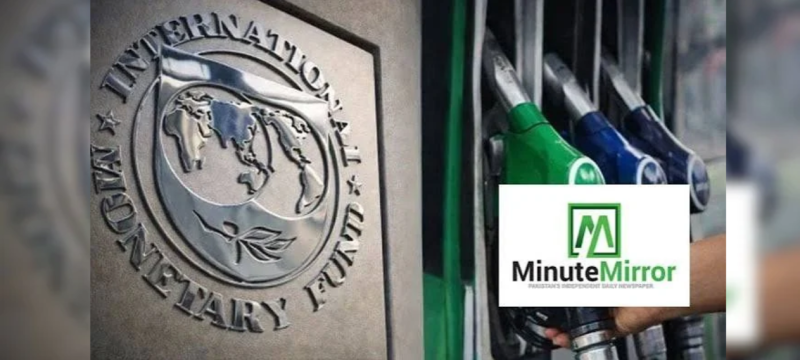
ISLAMABAD: The International Monetary Fund (IMF) has urged Pakistan to gradually withdraw its petrol subsidy programme and introduce stricter conditions for future fuel assistance.
The IMF said any future subsidies should target deserving households and remain limited to specific periods.
According to an IMF spokesperson, Pakistan must also ensure that fuel assistance remains within the approved FY2026-27 budget.
The recommendations come as Pakistan continues economic reforms under its $7 billion IMF loan programme.
IMF Calls for Gradual Withdrawal of Fuel Subsidies
Speaking to Arab News, an IMF spokesperson said Pakistan introduced fuel assistance for low-income consumers in September.
Under the programme, motorcycle and rickshaw users receive petrol vouchers worth Rs500 per week.
The scheme also provides a discount of Rs100 per litre for vehicles with engine capacities up to 800cc.
However, the IMF raised concerns about the programme’s broad eligibility criteria.
The lender believes fuel assistance should focus on households facing the greatest financial difficulties.
Under the staff-level agreement reached on October 7, Pakistan was asked to gradually discontinue the existing programme.
The IMF also stressed that any future petrol subsidy must have clear eligibility requirements and a defined duration.
Pakistan Asked to Follow International Oil Prices
The IMF spokesperson said Pakistan had committed to linking domestic petroleum prices with international market rates.
This commitment forms part of the country’s ongoing economic reform programme.
The government is working to improve financial stability while managing rising energy costs.
However, fluctuations in international oil prices remain a major challenge for Pakistan.
The ongoing Middle East conflict has increased uncertainty in global energy markets.
Pakistan depends heavily on Gulf countries for petroleum and natural gas imports.
Consequently, changes in international energy prices can directly affect domestic fuel costs and inflation.
Inflation Reaches 9.6 Percent in October
According to the IMF spokesperson, Pakistan’s inflation rate stood at 9.6 percent in October.
This represented a decline from the 10.3 percent inflation rate recorded in September.
Despite the improvement, higher international oil prices continue to create economic pressure.
The IMF warned that prolonged instability in global energy markets could affect Pakistan’s economic outlook.
Rising fuel costs can also increase transportation expenses and the prices of essential goods.
These developments may create additional challenges for households already facing financial difficulties.
IMF Stresses Economic and Energy Sector Reforms
The IMF has urged Pakistan to maintain macroeconomic stability through continued financial and structural reforms.
The lender also highlighted the importance of improving the performance of state-owned enterprises.
Reforms in the energy sector remain another major priority under the country’s economic programme.
The proposed withdrawal of the petrol subsidy forms part of broader efforts to improve fiscal management.
Meanwhile, the IMF Executive Board is expected to meet in December to review developments under Pakistan’s loan programme.
In other news read more about Will Petrol Prices Drop as Government Reduces Petroleum Levy Burden?
The government has not announced a specific timetable for completely ending the existing fuel assistance scheme.