

The Iranian Rial Rate continues to attract strong attention in Pakistan’s informal currency markets. Dealers report steady trading activity in major cities. These include Karachi, Lahore, and Quetta. Demand remains stable despite global currency weakness.
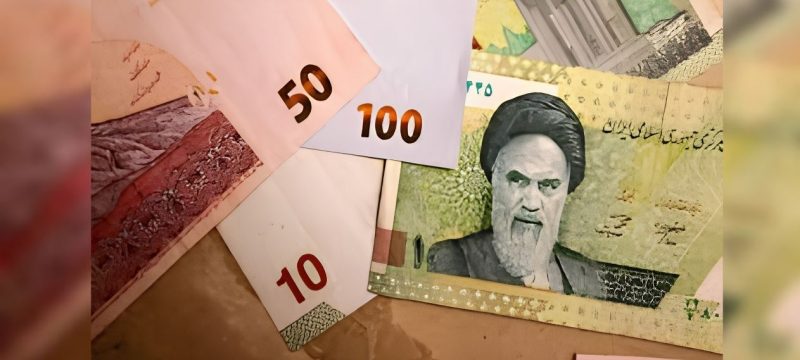
As of Monday, May 4, 2026, the Iranian Rial Rate shows a clear premium in the local cash market. Currency dealers say one bundle of 1 crore Iranian rials is trading between PKR 8,000 and PKR 10,000. This is based on informal market transactions.
The Iranian Rial Rate is significantly higher in Pakistan compared to its international value. Before the recent surge, the same bundle was valued near PKR 2,500. This shows a major increase in local demand and pricing pressure.
In the open market, rates vary depending on location and dealer. Smaller transactions also reflect similar patterns. Around PKR 1,000 can buy nearly 1 million Iranian rials in some informal exchanges. However, official benchmarks differ widely.
Internationally, the benchmark value remains much lower. Based on standard conversion, 1 PKR equals approximately 4,700 Iranian rials. This means 1 crore rials would cost around PKR 2,100 in global terms. The gap highlights the strong local premium in Pakistan.
Market experts say the Iranian Rial Rate is influenced by several factors. One key reason is speculative buying. Traders expect possible geopolitical changes that may strengthen the rial. These include diplomatic progress or easing of sanctions.
Another major factor is cross-border trade. There is ongoing demand from trade routes between Pakistan and Iran. Goods such as fuel, food, and other essentials contribute to cash-based transactions. This keeps the currency active in border regions.
Recent adjustments in trade rules have also supported demand. Easier transit conditions have encouraged more informal trade activity. As a result, physical Iranian rials are still widely used in settlements.
However, experts warn that the Iranian Rial Rate remains highly volatile. Sudden changes in political or trade conditions can impact value quickly. There are also risks of counterfeit currency in informal markets.
In other news read more about Iranian Rial Rate Shows Stability in Pakistan’s Informal Market
Analysts advise caution for retail buyers. While short-term gains may attract traders, risks remain high. The Iranian Rial Rate continues to fluctuate based on demand, speculation, and regional developments.