

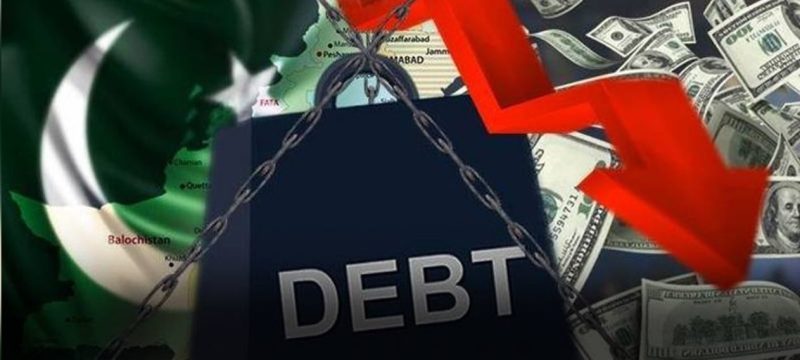
ISLAMABAD – Pakistan’s total national debt reached Rs81,374 billion by December 2025. The Finance Ministry shared the figures with the Senate.
The details were presented during a Senate session chaired by Presiding Officer Manzoor Kakar. The figures showed a significant debt burden on the country.
According to the ministry, Pakistan’s domestic debt stood at Rs55,363 billion. Domestic borrowing remained the largest part of the country’s overall debt.
The government’s external debt was recorded at Rs23,166 billion. External borrowing includes loans obtained from international sources and institutions.
The Finance Ministry also disclosed Pakistan’s borrowing from the International Monetary Fund. The country had borrowed Rs2,845 billion from the IMF.
The ministry provided the information while responding to questions in the upper house. The disclosure offered an overview of the government’s borrowing position.
Debt servicing has also remained a major financial responsibility for the government. The Finance Ministry shared details of interest payments made over recent years.
From 2021 through fiscal year 2026, the government paid Rs32,239 billion in debt interest. The amount reflects the substantial cost of servicing existing obligations.
The government also repaid a significant amount during the same period. According to the ministry, Rs102,780 billion was repaid between 2021 and fiscal year 2026.
The repayment figure covers government debt payments made during the stated period. However, fresh borrowing continued to contribute to the overall debt stock.
The latest figures highlight the financial challenges facing Pakistan. Managing debt remains an important issue for the government and policymakers.
Domestic debt accounts for the largest share of the reported total. External liabilities also remain an important part of the country’s financial obligations.
Interest payments place additional pressure on government finances. They can reduce the funds available for development and other public spending.
The government’s debt position is closely monitored by financial institutions and economic observers. Changes in borrowing and repayments can affect fiscal planning.
The Senate disclosure provides a clearer picture of the country’s financial position. It also shows the scale of debt payments made over recent years.
The Finance Ministry’s figures come as economic management remains a key policy priority. The government continues to balance debt servicing with broader financial needs.
In other news read more about SBP Allows Banks to Finance Up to 90% of Property Value
The latest data shows that Pakistan continues to face a substantial debt burden. Future borrowing, repayments and interest costs will remain important economic indicators.