

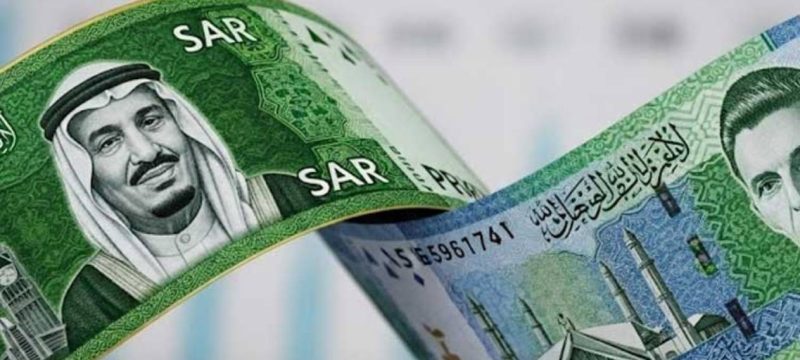
KARACHI, February 10, 2026 – The SAR to PKR rate remained steady today, with the Saudi Riyal trading at Rs74.59 in Pakistan’s open market. The selling rate was around Rs75.16, reflecting a narrow trading band observed over the past several weeks.
This level is below last year’s mid-2025 peak of Rs76.03 but continues to provide crucial support for millions of Pakistani households dependent on remittances from Saudi Arabia. Workers in healthcare, construction, hospitality, and domestic sectors in Saudi Arabia contribute significantly to Pakistan’s foreign income, making the Riyal a vital lifeline.
At today’s SAR to PKR rate, every 1,000 Riyals converts to Rs74,590. These funds help families cover school fees, medical costs, groceries, and household expenses. Analysts say the Riyal’s stability ensures predictable purchasing power despite minor fluctuations compared to mid-2025 highs.
Economically, the steady SAR to PKR rate has multiple effects. Importers of Saudi crude, refined petroleum, and petrochemicals benefit from relatively lower rupee-denominated costs. Pakistan’s trade balance and foreign exchange reserves, currently above $11 billion, also receive indirect support. Meanwhile, a slightly weaker Rupee keeps key exports such as rice, textiles, leather, surgical goods, and fruits competitive internationally.
Saudi Riyal (SAR) is pegged to the US dollar at approximately 3.75 Riyals per USD, maintaining global stability. The Pakistani Rupee (PKR) follows a managed float under the State Bank of Pakistan, influenced by inflation, remittances, and trade dynamics.
Looking ahead, the SAR to PKR rate is expected to remain in a tight range. Strong remittance inflows, Hajj and Umrah-related transfers, and stable oil prices support the corridor. Analysts note that significant shifts would likely depend on global dollar trends or domestic reserve changes.
In other news read more about SAR To PKR: Today’s Saudi Riyal To Pakistani Rupee Exchange Rate
For now, the Riyal continues to act as a steady pillar for millions of Pakistani families, ensuring ongoing economic stability in households reliant on overseas income.